
introduction:
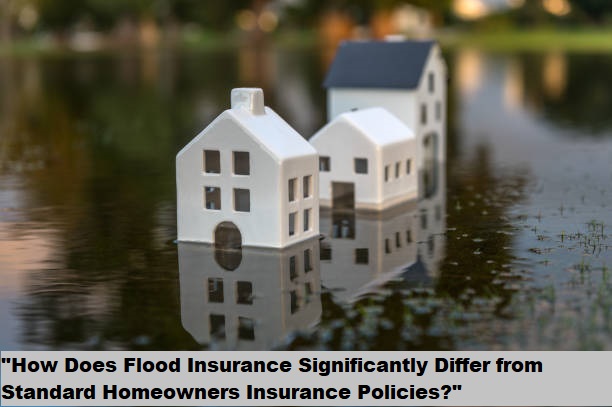
In this article, we unravel the nuances of flood insurance, exploring the distinctive characteristics that set it apart from conventional homeowners insurance policies. As homeowners navigate the complexities of protecting their investments, understanding how flood insurance significantly diverges from standard coverage becomes essential.
- 1. Coverage Extent and Limitations
- 2. Perils Covered and Excluded in Policies
- 3. Government Involvement and National Flood Insurance Program (NFIP)
- 4. Premium Determinants and Cost Variances
- 5. Property Eligibility Criteria and Geographic Considerations
- 6. Claims Process and Post-Flood Recovery Assistance
Coverage Extent and Limitations:
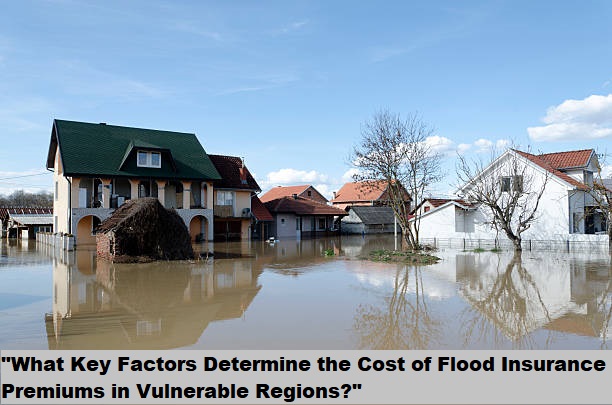
Flood insurance and homeowners insurance vary significantly in their coverage extent and limitations. While homeowners insurance typically covers damages caused by various perils such as fire, theft, and windstorms, it often excludes flooding. Flood insurance, on the other hand, is specifically designed to cover losses resulting from flooding events, offering a more targeted solution for homeowners in flood-prone areas. It extends coverage to structural elements, personal belongings, and additional living expenses incurred during flood-related displacement.
Perils Covered and Excluded in Policies:
The distinction in perils covered and excluded is crucial when comparing flood and homeowners insurance. Homeowners insurance commonly covers a broad range of perils, except for those explicitly excluded. Flood insurance, however, focuses solely on flood-related perils, excluding coverage for most other hazards. This differentiation ensures that policyholders have clarity on the specific risks addressed by each type of insurance, allowing for tailored protection based on individual needs and geographical considerations.
Government Involvement and National Flood Insurance Program (NFIP):
Government involvement plays a pivotal role in flood insurance through programs like the National Flood Insurance Program (NFIP). Unlike homeowners insurance, which is often provided by private insurers, flood insurance can be obtained through the NFIP, a government-backed initiative aimed at increasing flood coverage availability. This involvement influences policy terms, pricing, and regulations, creating a distinct landscape for flood insurance compared to the more market-driven nature of homeowners insurance.
Premium Determinants and Cost Variances:
The determinants of premiums and cost structures significantly differ between flood and homeowners insurance. Flood insurance premiums are influenced by factors such as the property’s elevation, flood zone designation, and proximity to water bodies. In contrast, homeowners insurance considers a broader set of risks, including the property’s construction materials, location, and security features. Understanding these premium determinants is vital for homeowners to make informed decisions regarding the cost and coverage associated with each type of insurance.
Property Eligibility Criteria and Geographic Considerations:
Property eligibility criteria and geographic considerations are paramount distinctions between flood and homeowners insurance. Not all properties are eligible for flood insurance, with certain high-risk areas mandated to have coverage. Geographic considerations, such as flood zone designations and proximity to water bodies, play a crucial role in determining eligibility and coverage levels. Homeowners must navigate these criteria to secure appropriate insurance based on their property’s location and associated flood risks.
Claims Process and Post-Flood Recovery Assistance:
The claims process and post-flood recovery assistance differ markedly between flood and homeowners insurance. Flood insurance claims are specifically designed to address flood-related damages, with a focus on structural repairs and replacement of damaged belongings. Post-flood recovery assistance, often provided through the NFIP, offers additional support to affected homeowners. In contrast, homeowners insurance claims encompass a broader range of perils, necessitating a more comprehensive approach to the claims process and recovery assistance.
Conclusion:
In conclusion, the distinctions between flood insurance and standard homeowners insurance are pivotal for homeowners seeking comprehensive protection. Understanding the coverage extent, perils addressed, government involvement, premium determinants, eligibility criteria, and claims processes allows individuals to make informed choices aligning with their unique needs and geographical considerations. As the dynamics of climate change continue to influence risk landscapes, the importance of tailored insurance solutions becomes increasingly evident. I hope this exploration empowers homeowners to navigate the complexities of insurance options, securing their homes and belongings with confidence.