Welcome to WordPress. This is your first post. Edit or delete it, then start writing!
Category: Uncategorized
-

What Influences the Cost of General Insurance for Homeowners in Urban Areas?
introduction:
< In this article, we explore the intricate factors that sway the cost of general insurance for homeowners in urban areas. Urban living presents a unique set of challenges and considerations that significantly impact insurance premiums. From the density of housing to crime rates and environmental factors, understanding the influences on insurance costs is essential for homeowners seeking comprehensive protection. Join us as we dissect the key elements that shape the pricing landscape of general insurance in urban settings, offering valuable insights for homeowners navigating the complexities of coverage and costs.
- 1. City Density: Analyzing how urban population density affects insurance pricing.
- 2. Crime Rates: Understanding the correlation between crime rates and insurance costs.
- 3. Environmental Risks: Examining how environmental factors influence urban insurance premiums.
- 4. Infrastructure Quality: Evaluating the impact of city infrastructure on insurance pricing.
- 5. Local Building Codes: Considering the role of building codes in shaping insurance costs.
- 6. Proximity to Services: Exploring how accessibility to services affects general insurance expenses.
City Density: Analyzing how urban population density affects insurance pricing.
The population density of urban areas is a significant determinant of insurance pricing for homeowners. Higher density often means more closely situated homes, which can impact the spread of risks in the event of a claim. Insurance providers factor in the potential for greater losses due to the concentration of properties, affecting premium calculations. Additionally, dense urban environments may experience higher rates of accidents, theft, and vandalism, contributing to increased insurance costs. Homeowners in densely populated cities may face elevated premiums to account for the unique challenges and risks associated with close-quarter living.
Crime Rates: Understanding the correlation between crime rates and insurance costs.
Crime rates in urban areas directly influence the cost of homeowners’ insurance. Higher crime rates, including burglary and property damage, pose increased risks for insurers, leading to elevated premiums. Insurers assess the frequency and severity of criminal activities in a neighborhood when determining coverage costs. Homes in areas with lower crime rates are perceived as lower risks, resulting in more affordable insurance premiums. Understanding the correlation between crime rates and insurance costs is crucial for homeowners seeking adequate coverage without unnecessary financial burden.
Environmental Risks: Examining how environmental factors influence urban insurance premiums.
Environmental risks play a pivotal role in shaping insurance premiums for homeowners in urban areas. Cities may be prone to specific environmental hazards such as floods, earthquakes, or hurricanes. The susceptibility to these risks influences insurance pricing, with homes in high-risk areas facing higher premiums to account for potential damages. Additionally, urban heat island effects and pollution can impact property conditions, further contributing to insurance costs. Insurers carefully evaluate the environmental factors that pose risks to homes in urban settings, ensuring that coverage aligns with the potential challenges associated with the local climate and geography.
Infrastructure Quality: Evaluating the impact of city infrastructure on insurance pricing.
The quality of city infrastructure significantly influences insurance pricing for homeowners. Well-maintained and resilient infrastructure, such as roads, bridges, and emergency services, can mitigate potential risks and damages during adverse events. Homes in areas with reliable infrastructure may experience lower insurance premiums due to reduced vulnerability to disruptions. On the contrary, inadequate infrastructure, especially in terms of flood control or disaster response, can elevate insurance costs for homeowners as insurers anticipate higher risks and potential losses. Evaluating the impact of city infrastructure on insurance pricing is crucial for homeowners to understand how the resilience of their urban environment affects coverage expenses.
Local Building Codes: Considering the role of building codes in shaping insurance costs.
Building codes in urban areas play a crucial role in determining insurance costs for homeowners. Stricter and well-enforced building codes contribute to safer structures that are more resilient to various risks, such as fires or earthquakes. Homes adhering to robust building codes are considered lower risks by insurers, potentially leading to lower premiums. Conversely, lax or outdated building codes can increase the risk of damages during adverse events, prompting insurers to adjust premiums accordingly. Considering the role of local building codes is essential for homeowners to comprehend the level of protection their homes possess and how it influences insurance pricing.
Proximity to Services: Exploring how accessibility to services affects general insurance expenses.
The proximity of homes to essential services, such as fire stations, hospitals, and police stations, plays a role in determining insurance expenses for homeowners in urban areas. Access to emergency services can impact response times during critical situations, influencing the extent of potential damages. Homes located in close proximity to well-equipped services may experience lower insurance premiums, reflecting the reduced risk of extensive losses. Conversely, homes in areas with limited access to essential services may face higher premiums as insurers account for potential delays in emergency response. Exploring how accessibility to services affects general insurance expenses is vital for homeowners to comprehend the level of protection provided by their location and its impact on coverage costs.
Conclusion:
In conclusion, the cost of general insurance for homeowners in urban areas is intricately influenced by a combination of factors. City density, crime rates, environmental risks, infrastructure quality, local building codes, and proximity to services collectively shape insurance premiums, reflecting the unique challenges and advantages of urban living. I hope this exploration provides homeowners with a comprehensive understanding of the multifaceted influences on insurance costs, empowering them to make informed decisions about coverage that aligns with their specific urban circumstances. As homeowners navigate the complex landscape of insurance pricing, awareness of these factors ensures a proactive and strategic approach to securing adequate protection for their homes in urban environments.
-

What Factors Determine Premiums for Unique General Insurance Policies?
introduction:
In this article, we delve into the intricate world of general insurance premiums, exploring the multifaceted factors that influence the cost of unique policies. Understanding the determinants behind these premiums is crucial for individuals and businesses alike, as it empowers them to make informed decisions and optimize their coverage. From personal circumstances to industry-specific considerations, the dynamic nature of these factors shapes the financial landscape of insurance. Join us as we unravel the complexity of what goes into determining premiums for general insurance policies, providing valuable insights for navigating the intricate realm of insurance costs.
- 1. Personal Risk Profile: Evaluating individual characteristics impacting insurance premium calculations.
- 2. Coverage Scope: Understanding the extent and specifics of insurance coverage required.
- 3. Claims History: Assessing past claims to gauge potential future risks and costs.
- 4. Geographical Factors: Examining regional influences on insurance premiums for unique policies.
- 5. Industry-specific Risks: Identifying sector-related considerations affecting premium calculations.
- 6. Policy Customization: Exploring the impact of tailoring insurance policies to unique needs.
Personal Risk Profile: Evaluating individual characteristics impacting insurance premium calculations.
The personal risk profile plays a pivotal role in determining insurance premiums. Insurers analyze various individual characteristics, such as age, health status, occupation, and lifestyle choices, to assess the level of risk a policyholder presents. For instance, a person engaged in high-risk activities may face higher premiums due to the increased likelihood of claims. Additionally, factors like credit history and driving record contribute to shaping the personal risk profile. Individuals with a history of accidents or poor credit may experience elevated premiums as insurers perceive a higher risk of claims. The evaluation of these personal attributes ensures that insurance premiums are reflective of the unique risk profile of each policyholder.
Coverage Scope: Understanding the extent and specifics of insurance coverage required.
The scope of coverage directly influences insurance premiums. Policyholders must carefully consider the types and amounts of coverage needed for their specific circumstances. For example, a comprehensive auto insurance policy with coverage for theft, vandalism, and natural disasters will have a higher premium than a basic policy covering only liability. Similarly, businesses need to assess the scope of coverage for commercial insurance, considering factors like property, liability, and business interruption. The more extensive and specific the coverage, the higher the premium, as insurers undertake a greater financial risk to provide comprehensive protection. Understanding and tailoring coverage to individual needs ensure that policyholders strike a balance between adequate protection and manageable premiums.
Claims History: Assessing past claims to gauge potential future risks and costs.
Insurance companies analyze a policyholder’s claims history to assess the likelihood of future claims and calculate premiums accordingly. Individuals or businesses with a history of frequent or high-value claims are perceived as higher risks, leading to increased premiums. A clean claims history suggests a lower risk profile, resulting in more favorable premium rates. Insurers use this data to predict future risks and set premiums that align with the expected cost of providing coverage. Additionally, a history of fraudulent claims can negatively impact an individual or business’s insurability and lead to higher premiums. Regularly reviewing and managing claims history is essential for maintaining reasonable insurance costs over time.
Geographical Factors: Examining regional influences on insurance premiums for unique policies.
Geographical factors significantly impact insurance premiums due to variations in risk levels across regions. For example, areas prone to natural disasters, such as hurricanes or earthquakes, may experience higher property insurance premiums. Similarly, regions with high crime rates may see elevated premiums for auto and homeowners insurance. Insurance companies consider the local risk landscape, including weather patterns, crime rates, and environmental factors, when determining premiums for policies in a specific geographic area. Policyholders must be aware of these regional influences and understand how they contribute to the overall cost of insurance coverage.
Industry-specific Risks: Identifying sector-related considerations affecting premium calculations.
For businesses, industry-specific risks play a crucial role in determining insurance premiums. Different sectors face unique challenges and liabilities that impact the cost of coverage. For example, a construction company may face higher premiums due to the elevated risks associated with the industry, such as workplace accidents and property damage. Understanding and addressing these industry-specific risks is essential for businesses to negotiate favorable insurance terms. Insurers take into account factors like the nature of operations, employee safety protocols, and compliance with industry regulations when calculating premiums. Tailoring insurance coverage to address sector-specific risks ensures that businesses receive comprehensive protection without unnecessary financial strain.
Policy Customization: Exploring the impact of tailoring insurance policies to unique needs.
Policy customization allows individuals and businesses to tailor insurance coverage to their specific needs, impacting premium calculations. By selecting specific coverage limits, deductibles, and additional riders, policyholders can influence the cost of premiums. For instance, a higher deductible typically results in lower premiums, as the policyholder assumes more financial responsibility for claims. Conversely, adding comprehensive coverage or special endorsements increases premiums but provides additional protection. The ability to customize policies enables individuals and businesses to strike a balance between budgetary constraints and the desire for comprehensive coverage. Careful consideration of policy customization options ensures that insurance meets unique needs without unnecessary financial burden.
Conclusion:
In conclusion, the factors influencing general insurance premiums are diverse and interconnected, with each element contributing to the overall cost of coverage. Personal risk profiles, coverage scope, claims history, geographical considerations, industry-specific risks, and policy customization collectively shape the premiums individuals and businesses pay for their insurance protection. Navigating these factors requires a thoughtful and informed approach, considering the specific circumstances and needs of the policyholder. I hope this exploration provides clarity on the intricate dynamics that determine general insurance premiums, empowering individuals and businesses to make informed decisions and secure optimal coverage for their unique risks and requirements.
-

“Why Is Thoughtfully Assessing Your Evolving Insurance Needs Absolutely Crucial When Selecting a General Insurance Plan?”
Introduction:
In this article, we delve into the critical importance of thoughtfully assessing your evolving insurance needs when selecting a general insurance plan. The dynamic nature of life demands a proactive approach in aligning insurance coverage with your ever-changing circumstances. Understanding why this thoughtful assessment is crucial ensures that your insurance plan remains a robust shield against the uncertainties of the future.
Outlines:
- 1. Life Changes Impacting Coverage Relevance
- 2. Adapting to Career and Financial Transformations
- 3. Evaluating Family Dynamics for Comprehensive Protection
- 4. Asset Acquisition and Its Implications on Coverage
- 5. Health and Wellness Considerations in Insurance Planning
- 6. Anticipating Future Risks: A Proactive Insurance Approach
Life Changes Impacting Coverage Relevance:
Life is dynamic, and as it evolves, so do your insurance needs. Changes in marital status, having children, or even sending children off to college can significantly impact the relevance of your coverage. For instance, a single individual may prioritize personal coverage, while a growing family might require additional life or health insurance. Regularly reassessing your life situation ensures that your insurance plan aligns with your current needs, providing adequate protection through various life stages.
Adapting to Career and Financial Transformations:
Career and financial shifts play a pivotal role in determining your insurance requirements. A promotion, career change, or starting a business can impact your income, influencing the level of coverage you can afford. Additionally, financial success may lead to increased assets, necessitating adjustments in coverage to protect these newfound investments. Evaluating your insurance plan in tandem with career and financial changes ensures that you have the appropriate coverage to safeguard your evolving financial landscape.
Evaluating Family Dynamics for Comprehensive Protection:
As family dynamics evolve, so should your insurance plan. Marriage, divorce, the birth of children, or the addition of dependents may require adjustments to life, health, or disability coverage. A comprehensive evaluation of your family’s needs allows for tailored protection, ensuring that every member is adequately covered. Understanding the nuances of family dynamics is crucial for maintaining comprehensive and effective insurance coverage.
Asset Acquisition and Its Implications on Coverage:
Acquiring assets, whether a home, car, or valuable possessions, directly impacts your insurance needs. The value and type of assets you own influence the required coverage. For instance, a new home may necessitate additional homeowners insurance, while a luxury car may require comprehensive auto coverage. Regularly assessing your asset portfolio ensures that your insurance plan adequately protects these valuable investments, mitigating potential financial losses in case of unforeseen events.
Health and Wellness Considerations in Insurance Planning:
Health considerations are paramount in insurance planning. Changes in health, the need for specific medical treatments, or a focus on overall wellness can influence the type and extent of health insurance coverage required. Regular assessments of your health and wellness goals allow for adjustments in coverage, ensuring that your insurance plan aligns with your evolving healthcare needs. Proactive planning in this regard enhances your ability to navigate health-related challenges with financial security.
Anticipating Future Risks: A Proactive Insurance Approach:
A proactive approach to insurance involves anticipating future risks and preparing accordingly. This entails assessing potential changes in your life, career, family, and health to identify emerging risks. By foreseeing challenges and incorporating them into your insurance plan, you create a robust safety net that is resilient in the face of uncertainties. A proactive stance ensures that your insurance coverage evolves in tandem with your life, minimizing vulnerabilities and providing peace of mind.
Topic Explanation
Thoughtfully assessing evolving insurance needs is absolutely crucial, considering the dynamic nature of life. Life changes, such as marriage, having children, or sending them to college, impact the relevance of coverage. Adapting to career and financial transformations is vital, as shifts in income and assets necessitate adjustments in coverage to protect against potential financial risks. Evaluating family dynamics ensures comprehensive protection for all members, aligning coverage with the changing structure of your household.
Asset acquisition, whether a new home or valuable possessions, directly influences insurance needs. Regular assessments of your asset portfolio guarantee that your insurance plan adequately safeguards these investments. Health and wellness considerations play a crucial role in insurance planning, with changing health needs requiring adjustments in coverage. Taking a proactive approach involves anticipating future risks, preparing for potential challenges, and ensuring that your insurance coverage evolves in sync with your life.
Conclusion:
In conclusion, thoughtfully assessing evolving insurance needs is the linchpin of a resilient and effective insurance plan. Life changes, career shifts, family dynamics, asset acquisitions, and health considerations necessitate regular evaluations. A proactive approach, anticipating future risks, ensures that your insurance coverage evolves in tandem with your dynamic life. This thoughtful assessment not only provides comprehensive protection but also instills confidence in facing the uncertainties of the future. Regularly revisiting and adapting your insurance plan is not just a prudent financial decision; it is an integral aspect of proactive and holistic life management.
-

“Which Specific General Insurance Policies Offer Comprehensive Protection Tailored for Varied Personal and Business Needs and Circumstances?”
Introduction:
In this article, we embark on a journey through the diverse landscape of general insurance policies, seeking those that provide comprehensive protection uniquely crafted to address the myriad personal and business needs. Navigating the sea of insurance options can be overwhelming, but understanding the tailored coverage available for specific circumstances empowers individuals and businesses alike. Let’s unravel the intricacies of insurance policies that go beyond the standard, offering a personalized shield against the uncertainties life and business ventures may present.
Outlines:
- 1. Personalized Home Insurance for Property and Belongings
- 2. Business Liability Coverage Tailored to Industry Risks
- 3. Comprehensive Auto Insurance Beyond Basic Coverage
- 4. Specialized Health Insurance for Varied Medical Needs
- 5. Customized Cybersecurity Insurance for Digital Businesses
- 6. Umbrella Policies: Bridging Gaps in Coverage Across Domains
Personalized Home Insurance for Property and Belongings:
Home insurance goes beyond the basic protection of a dwelling—it extends to safeguarding your property and belongings. Personalized home insurance tailors coverage to the unique needs of homeowners, considering factors such as location, property value, and specific belongings. This ensures comprehensive protection against various risks, including natural disasters, theft, and accidents. Homeowners can customize policies to include coverage for high-value items, such as jewelry or artwork, providing a tailored shield for both property and possessions.
Business Liability Coverage Tailored to Industry Risks:
For businesses, generic liability coverage may not adequately address industry-specific risks. Tailored business liability coverage takes into account the unique challenges and potential liabilities associated with a particular industry. Whether it’s professional liability, product liability, or general business liability, customized policies ensure businesses are protected against risks specific to their operations. This tailored approach enhances overall protection, mitigating the financial impact of unforeseen circumstances that may arise within the business environment.
Comprehensive Auto Insurance Beyond Basic Coverage:
Auto insurance can be personalized to provide comprehensive coverage beyond the basics. Tailored auto insurance considers individual driving habits, specific vehicle details, and potential risks. This could include coverage for damages not only from accidents but also from natural disasters, theft, or vandalism. Personalizing auto insurance ensures that drivers have a robust safety net, covering a spectrum of potential incidents on the road.
Specialized Health Insurance for Varied Medical Needs:
Health insurance policies can be tailored to address diverse medical needs. Whether it’s specific coverage for pre-existing conditions, maternity benefits, or comprehensive mental health support, personalized health insurance ensures individuals have coverage aligned with their unique medical requirements. This approach not only provides peace of mind but also enhances the effectiveness of healthcare coverage, considering the evolving and varied healthcare needs of individuals.
Customized Cybersecurity Insurance for Digital Businesses:
In the digital age, businesses face evolving risks related to cybersecurity. Customized cybersecurity insurance addresses the specific threats digital businesses encounter, such as data breaches, hacking, or ransomware attacks. Tailored policies provide financial protection and support for businesses dealing with the aftermath of a cyber incident. This personalized approach is crucial in an era where digital assets and information are integral components of business operations.
Umbrella Policies: Bridging Gaps in Coverage Across Domains:
Umbrella insurance policies act as a bridge, extending coverage across various domains. These policies provide an additional layer of protection that goes beyond the limits of standard policies. Whether for personal or business needs, umbrella policies offer a safety net, covering gaps in existing coverage and providing an extra layer of financial security. This comprehensive approach ensures individuals and businesses are well-protected, even in situations where standard policies fall short.
Topic Explanation
Navigating the diverse landscape of general insurance policies requires an understanding of options that offer comprehensive protection tailored to varied personal and business needs. Personalized home insurance ensures not only the security of the dwelling but also the belongings within it, with customization options for high-value items. Businesses benefit from liability coverage tailored to industry-specific risks, addressing challenges unique to their operations.
Comprehensive auto insurance goes beyond basic coverage, considering individual driving habits and potential risks, providing a robust safety net for drivers. Specialized health insurance caters to varied medical needs, offering coverage for specific conditions and ensuring individuals have the support they need. For digital businesses, customized cybersecurity insurance is essential, addressing the evolving threats in the digital landscape.
Umbrella policies act as a cohesive solution, bridging gaps in coverage across personal and business domains. These policies provide an additional layer of protection beyond standard coverage, ensuring comprehensive security against unforeseen circumstances. Together, these tailored insurance options create a comprehensive safety net, offering peace of mind and financial security for individuals and businesses alike.
Conclusion:
In conclusion, the array of specific general insurance policies discussed underscores the importance of tailored protection for diverse personal and business needs. From personalized home insurance to industry-specific liability coverage, these options offer a nuanced approach to safeguarding against various risks. The customization provided by these policies ensures that individuals and businesses are not only adequately protected but also have the flexibility to address their unique circumstances. Embracing these tailored solutions creates a robust safety net, aligning insurance coverage with the intricacies of individual lifestyles and business operations.
-

“Why is Private Flood Insurance Emerging as a Viable and Growing Alternative to NFIP Coverage?”

introduction:
In this article, we unravel the compelling reasons behind the escalating prominence of private flood insurance as an increasingly viable and flourishing alternative to coverage provided by the National Flood Insurance Program (NFIP). As homeowners navigate the shifting landscape of flood protection, understanding the distinct advantages offered by private insurers becomes pivotal in making informed and tailored choices for safeguarding their properties.
- 1. Customized Policies Tailored to Individual Property Characteristics and Risks
- 2. Competitive Premiums and Flexible Coverage Options Beyond NFIP Constraints
- 3. Innovative Technology for Accurate Risk Assessment and Timely Claim Processing
- 4. Higher Coverage Limits Providing Enhanced Financial Protection for Policyholders
- 5. Expedited Claims Processing and Improved Customer Service Experience
- 6. Adaptability to Evolving Market Trends and Changing Flood Risk Dynamics
Customized Policies Tailored to Individual Property Characteristics and Risks:
Private flood insurance distinguishes itself by offering customized policies tailored to the unique characteristics and risks of individual properties. Unlike the one-size-fits-all approach of NFIP, private insurers leverage detailed assessments to tailor coverage, considering factors such as property elevation, construction materials, and specific flood risks. This customization ensures that homeowners receive precisely the coverage they need, optimizing protection and aligning with the distinctive features of their properties.
Competitive Premiums and Flexible Coverage Options Beyond NFIP Constraints:
One of the compelling reasons for the growing preference for private flood insurance is the competitive premiums and flexible coverage options it provides, surpassing the constraints often associated with NFIP. Private insurers operate in a competitive market, offering a range of coverage choices tailored to diverse budgets and preferences. This flexibility allows homeowners to choose coverage that suits their financial capacity while enjoying the benefits of enhanced protection beyond what NFIP might provide. The ability to tailor coverage based on individual needs contributes to the attractiveness of private insurers in the flood insurance landscape.
Innovative Technology for Accurate Risk Assessment and Timely Claim Processing:
Private flood insurers leverage innovative technology for accurate risk assessment, enhancing their ability to evaluate and price flood risks with precision. Advanced tools such as satellite imagery, geospatial mapping, and predictive analytics enable insurers to conduct thorough risk assessments, ensuring that coverage aligns closely with actual flood vulnerabilities. Additionally, the use of technology streamlines claim processing, facilitating quicker and more efficient resolutions for policyholders. This technological edge contributes to the appeal of private flood insurance, as homeowners seek not only accurate risk evaluation but also a streamlined and responsive claims experience.
Higher Coverage Limits Providing Enhanced Financial Protection for Policyholders:
Private flood insurance often offers higher coverage limits, providing policyholders with enhanced financial protection against the potentially devastating impacts of floods. Unlike the predetermined limits set by NFIP, private insurers allow homeowners to secure coverage that more closely matches the value of their properties and possessions. This higher coverage mitigates the risk of underinsurance and ensures that policyholders have the financial resources needed for comprehensive recovery in the aftermath of a flood event. The appeal of higher coverage limits is a significant factor driving the increasing popularity of private flood insurance.
Expedited Claims Processing and Improved Customer Service Experience:
Private flood insurers prioritize expedited claims processing and a superior customer service experience, addressing common pain points associated with traditional insurance programs like NFIP. By focusing on efficiency and responsiveness, private insurers aim to minimize the stress and delays often experienced during the claims process. Homeowners appreciate the quicker resolution of claims, contributing to an overall positive customer service experience. The emphasis on customer satisfaction and efficient claims processing distinguishes private flood insurance providers as customer-centric alternatives in the market.
Adaptability to Evolving Market Trends and Changing Flood Risk Dynamics:
Private flood insurance exhibits adaptability to evolving market trends and changing flood risk dynamics, allowing insurers to stay ahead of emerging challenges. In contrast to the relatively static nature of government-backed programs like NFIP, private insurers can swiftly respond to shifts in the insurance landscape, incorporating new technologies, adjusting coverage options, and refining risk assessment methodologies. This adaptability ensures that policyholders benefit from the latest advancements in flood risk management, making private insurance a dynamic and forward-thinking choice for homeowners navigating the unpredictable nature of flood risks.
Conclusion:
In conclusion, the emergence of private flood insurance as a viable and growing alternative to NFIP coverage can be attributed to its ability to offer tailored, competitive, and technologically advanced solutions. Customized policies that consider individual property characteristics and risks provide homeowners with precise coverage, addressing the limitations of standardized approaches. Competitive premiums and flexible coverage options surpass the constraints of NFIP, offering homeowners a range of choices. The integration of innovative technology ensures accurate risk assessment and timely claims processing, enhancing the overall insurance experience. Higher coverage limits, expedited claims processing, and adaptability to evolving market trends further contribute to the appeal of private flood insurance. I hope this exploration sheds light on the multifaceted advantages driving the increasing prominence of private flood insurance, empowering homeowners to make informed choices in safeguarding their properties.
-
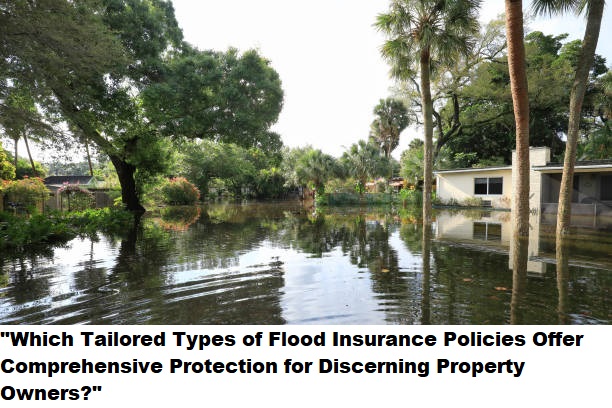
“Which Tailored Types of Flood Insurance Policies Offer Comprehensive Protection for Discerning Property Owners?”
introduction:
In this article, we embark on a journey to uncover the intricacies of tailored flood insurance policies, meticulously designed to provide discerning property owners with comprehensive protection. As homeowners navigate the diverse landscape of flood risks, understanding the nuanced options available ensures a bespoke approach to safeguarding their investments.
- 1. Elevated Structure Coverage for Enhanced Flood Resilience
- 2. Contents-Only Policies Tailored to Protect Personal Belongings Specifically
- 3. Flood Endorsements: Customizing Standard Homeowners Policies for Flood Protection
- 4. Excess Flood Insurance: Bridging Gaps in Primary Coverage Adequacy
- 5. Business Flood Insurance: Safeguarding Commercial Properties with Specialized Plans
- 6. Preferred Risk Policies: Tailored Solutions for Low to Moderate Flood Risk
Elevated Structure Coverage for Enhanced Flood Resilience:
Elevated structure coverage is a tailored flood insurance option that focuses on fortifying the structural elements of a property against flood-related damages. This specialized policy recognizes the importance of elevating homes above the base flood elevation (BFE) to minimize the risk of inundation. By providing coverage specifically designed for elevated structures, this policy ensures that property owners benefit from enhanced flood resilience, offering financial protection for structural repairs and improvements that contribute to mitigating flood risks.
Contents-Only Policies Tailored to Protect Personal Belongings Specifically:
Contents-only policies cater exclusively to protecting personal belongings within a property. Tailored to discerning property owners who seek comprehensive coverage for their valuables, these policies are designed to safeguard possessions such as furniture, electronics, and personal items. This focused approach allows homeowners to prioritize the protection of their belongings without the need for extensive structural coverage. Contents-only policies offer flexibility and customization, ensuring that discerning property owners can tailor their insurance plans to align with the specific value and importance of their personal possessions.
Flood Endorsements: Customizing Standard Homeowners Policies for Flood Protection:
Flood endorsements provide a customized solution by allowing homeowners to enhance their standard homeowners insurance policies with specific flood protection. This tailored approach acknowledges the unique needs of discerning property owners who may want to fortify their existing coverage against flood-related risks. Flood endorsements typically provide additional coverage for structural and personal property damage caused by floods, ensuring a seamless integration of flood protection into the broader homeowners insurance framework. This customization empowers property owners to adapt their coverage to the evolving landscape of flood risks while maintaining the convenience of a consolidated insurance policy.
Excess Flood Insurance: Bridging Gaps in Primary Coverage Adequacy:
Excess flood insurance serves as a supplementary layer of protection, bridging gaps in primary coverage adequacy. Discerning property owners who recognize potential shortcomings in their primary flood insurance policies can opt for excess coverage to ensure comprehensive protection. This tailored policy kicks in when the limits of the primary coverage are exhausted, offering an additional financial cushion against extensive flood-related damages. Excess flood insurance is particularly valuable for property owners seeking to mitigate the risk of being underinsured in the face of catastrophic flooding events, providing peace of mind and financial security.
Business Flood Insurance: Safeguarding Commercial Properties with Specialized Plans:
Tailored for commercial property owners, business flood insurance is designed to safeguard businesses against the unique risks posed by floods. Recognizing the distinct needs of commercial properties, this specialized policy provides coverage for structural damage, business interruption, and loss of inventory due to floods. It ensures that discerning business owners can navigate the complexities of flood risks, protecting their assets, revenue streams, and overall business continuity. Business flood insurance offers a tailored solution that aligns with the specific vulnerabilities and financial considerations of commercial properties.
Preferred Risk Policies: Tailored Solutions for Low to Moderate Flood Risk:
Preferred risk policies cater to property owners situated in low to moderate flood risk areas. Tailored for those who may not be eligible for standard flood insurance, these policies offer affordable and comprehensive coverage tailored to the specific risk profile of the property. By providing a tailored solution for properties in less flood-prone regions, preferred risk policies ensure that discerning property owners can access adequate protection without incurring exorbitant premiums. This option is particularly beneficial for those seeking a balance between comprehensive coverage and cost-effectiveness in regions with lower flood risk.
Conclusion:
In conclusion, the array of tailored flood insurance policies offers discerning property owners a comprehensive approach to safeguarding their investments against the diverse landscape of flood risks. From elevated structure coverage for enhanced resilience to contents-only policies focusing on personal belongings, these options cater to specific needs. Flood endorsements provide customization within standard homeowners policies, while excess flood insurance bridges gaps in primary coverage adequacy. Business flood insurance addresses the unique risks faced by commercial properties, and preferred risk policies offer tailored solutions for low to moderate flood risk areas. I hope this exploration empowers discerning property owners to navigate the flood insurance landscape with confidence, selecting policies that align with their unique needs and priorities, ensuring robust protection for their valuable investments.
-
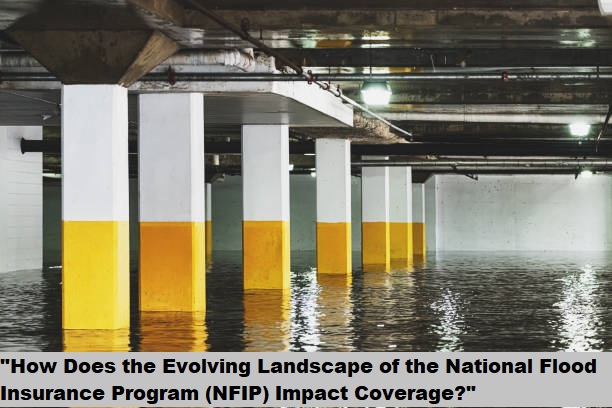
“How Does the Evolving Landscape of the National Flood Insurance Program (NFIP) Impact Coverage?”
introduction:
In this article, we unravel the dynamic transformations within the National Flood Insurance Program (NFIP) and delve into their profound implications on coverage. As the NFIP undergoes continual changes, understanding its evolving landscape is essential for homeowners navigating the complex realm of flood insurance.
- 1. Policy Modifications in Response to Shifting Climate and Risk Factors
- 2. Financial Implications on Premiums Amidst Program Adjustments
- 3. Expanding Coverage to Address Growing Vulnerabilities and Changing Demographics
- 4. Community Participation and Its Influence on NFIP Effectiveness
- 5. Government Initiatives for Enhanced Flood Resilience and Risk Mitigation
- 6. Navigating the Challenges and Opportunities Arising from NFIP Evolution
Policy Modifications in Response to Shifting Climate and Risk Factors:
Policy modifications within the NFIP respond to the ever-shifting climate and risk factors that influence flood occurrences. As climate change intensifies, the program adapts its policies to address emerging threats and vulnerabilities. This involves revisiting coverage parameters, adjusting risk assessments, and tailoring policies to better align with the evolving landscape of flood risks. Homeowners need to stay informed about these policy modifications to ensure their coverage remains comprehensive and relevant in the face of changing environmental dynamics.
Financial Implications on Premiums Amidst Program Adjustments:
The financial implications on premiums within the NFIP are a direct result of program adjustments made to sustain its effectiveness. As the program responds to increased risks and financial challenges, premiums may be adjusted to reflect the true cost of coverage. Homeowners must understand these financial implications, considering how program adjustments impact the affordability and accessibility of flood insurance. Awareness of premium changes is vital for homeowners to make informed decisions about coverage and budget effectively for the associated costs.
Expanding Coverage to Address Growing Vulnerabilities and Changing Demographics:
The evolving landscape of the NFIP involves expanding coverage to address not only growing vulnerabilities but also changing demographics. As population dynamics shift and urbanization progresses, the program must accommodate the changing landscape of flood risks. Expanding coverage ensures that a broader range of properties and demographics are adequately protected. Homeowners should be aware of these expansions, recognizing the relevance of coverage to their specific circumstances and ensuring that their policies align with the evolving risk profile of their areas.
Community Participation and Its Influence on NFIP Effectiveness:
Community participation is a crucial aspect influencing the effectiveness of the NFIP. The program relies on the active involvement of communities in implementing floodplain management measures and adhering to regulations. Effective community participation enhances the program’s overall efficacy, contributing to better risk mitigation and reduced insurance claims. Homeowners, as integral members of these communities, should engage in community initiatives, fostering a collective commitment to flood resilience and positively influencing the NFIP’s ability to provide robust coverage.
Government Initiatives for Enhanced Flood Resilience and Risk Mitigation:
Government initiatives play a pivotal role in enhancing flood resilience and mitigating risks within the NFIP. The program collaborates with government entities to implement measures that reduce vulnerability and improve response capabilities. These initiatives include infrastructure improvements, advanced mapping technologies, and community outreach programs. Homeowners benefit from government-led initiatives as they contribute to a safer and more resilient environment, directly impacting the effectiveness of the NFIP in providing comprehensive coverage against flood risks.
Navigating the Challenges and Opportunities Arising from NFIP Evolution:
Navigating the challenges and opportunities arising from NFIP evolution requires homeowners to stay proactive and informed. Challenges may include adjusting to policy changes, understanding new coverage parameters, and addressing potential premium increases. Simultaneously, opportunities may arise in the form of enhanced coverage options, improved risk assessment methodologies, and access to additional resources for flood resilience. Homeowners must actively engage with these changes, leveraging opportunities to optimize their coverage while effectively addressing the challenges posed by the evolving landscape of the NFIP.
Conclusion:
In conclusion, the evolving landscape of the National Flood Insurance Program (NFIP) significantly impacts coverage, reflecting its dynamic response to climate shifts, financial considerations, demographic changes, and government-led initiatives. Policy modifications aim to address emerging risks, while financial adjustments impact the affordability of premiums. Expanding coverage ensures relevance in the face of growing vulnerabilities, and community participation enhances the program’s overall effectiveness. Government initiatives contribute to enhanced resilience, and homeowners navigating these changes must proactively engage to optimize their coverage. I hope this exploration empowers homeowners to understand the multifaceted impacts of NFIP evolution, fostering a proactive approach to flood insurance that aligns with the changing dynamics of flood risks.
-
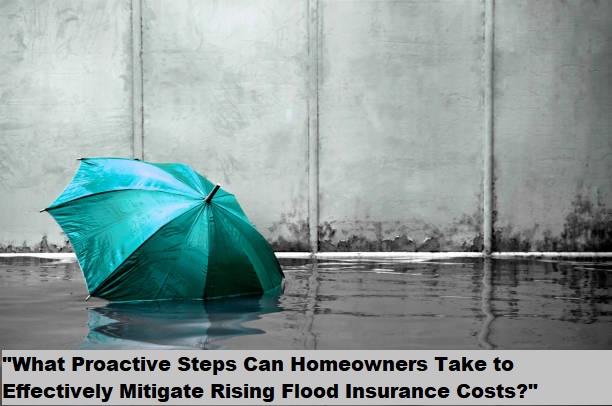
“What Proactive Steps Can Homeowners Take to Effectively Mitigate Rising Flood Insurance Costs?”
introduction:
In this article, we explore strategic measures empowering homeowners to skillfully navigate and diminish the escalating costs associated with flood insurance. As homeowners grapple with the financial implications of safeguarding their properties, understanding proactive steps becomes pivotal in not only mitigating risks but also in optimizing insurance expenses.
- 1. Property Elevation and Foundation Reinforcement for Reduced Premiums
- 2. Implementation of Effective Flood Prevention and Mitigation Measures
- 3. Community Engagement for Collective Flood Risk Reduction Initiatives
- 4. Regular Maintenance to Ensure Structural Resilience Against Flood Impacts
- 5. Utilization of Flood-Resistant Materials in Property Construction and Renovation
- 6. Exploration of Alternative Flood Insurance Options Beyond Standard Offerings
Property Elevation and Foundation Reinforcement for Reduced Premiums:
Elevating the property and reinforcing its foundation are impactful strategies to reduce flood insurance premiums. Homes elevated above the base flood elevation (BFE) are considered less vulnerable, resulting in lower insurance costs. Reinforcing foundations with flood-resistant materials enhances a property’s resilience against flood impacts, further contributing to premium reductions. These proactive steps not only fortify the property against potential damage but also offer tangible financial benefits in the form of reduced insurance expenses.
Implementation of Effective Flood Prevention and Mitigation Measures:
Proactively implementing flood prevention and mitigation measures is key to reducing insurance costs. Installing flood barriers, sump pumps, and elevated utility systems helps minimize flood risks. Additionally, strategically landscaping the property to redirect water away and constructing retention basins are effective preventive measures. Insurance providers often reward homeowners who take such initiatives with lower premiums, recognizing the reduced likelihood of flood-related damages.
Community Engagement for Collective Flood Risk Reduction Initiatives:
Engaging with the local community in collective flood risk reduction initiatives strengthens overall resilience. Collaborative efforts, such as community-wide flood prevention programs and early warning systems, can significantly reduce the frequency and severity of flood incidents. Insurance providers may offer incentives or discounts to communities actively involved in such initiatives, fostering a shared commitment to mitigating flood risks and ultimately lowering insurance costs for individual homeowners.
Regular Maintenance to Ensure Structural Resilience Against Flood Impacts:
Regular maintenance of the property is essential for ensuring structural resilience against flood impacts. Clearing debris from drainage systems, inspecting and maintaining levees or embankments, and reinforcing vulnerable areas contribute to overall flood preparedness. Homes that demonstrate consistent maintenance practices are viewed favorably by insurers, resulting in potential reductions in insurance premiums due to the lowered risk of structural damage during flooding events.
Utilization of Flood-Resistant Materials in Property Construction and Renovation:
Incorporating flood-resistant materials in property construction and renovation enhances resilience and can lead to lower insurance costs. Materials such as water-resistant barriers, flood vents, and elevated building platforms contribute to minimizing potential flood damage. Homeowners investing in these construction practices signal a commitment to risk reduction, garnering the attention of insurers who may offer premium reductions as a reward for employing flood-resistant building techniques.
Exploration of Alternative Flood Insurance Options Beyond Standard Offerings:
Exploring alternative flood insurance options beyond standard offerings can provide homeowners with cost-effective solutions. Private insurers and specialized flood insurance providers may offer customized policies that better suit individual needs and risk profiles. Investigating these alternatives allows homeowners to compare coverage options, potentially finding more affordable plans that still provide comprehensive protection. Thinking beyond conventional insurance offerings can be a proactive and strategic approach to mitigating rising flood insurance costs.
Conclusion:
In conclusion, homeowners can take proactive steps to effectively mitigate rising flood insurance costs by adopting a holistic approach. Elevating the property, implementing flood prevention measures, engaging with the community, maintaining structural resilience, using flood-resistant materials, and exploring alternative insurance options all contribute to a comprehensive risk reduction strategy. These efforts not only enhance the property’s ability to withstand floods but also demonstrate a commitment to responsible homeownership. I hope this exploration empowers homeowners to navigate the complexities of flood insurance, making informed decisions that safeguard their homes, finances, and overall well-being.”What Proactive Steps Can Homeowners Take to Effectively Mitigate Rising Flood Insurance Costs?”
-
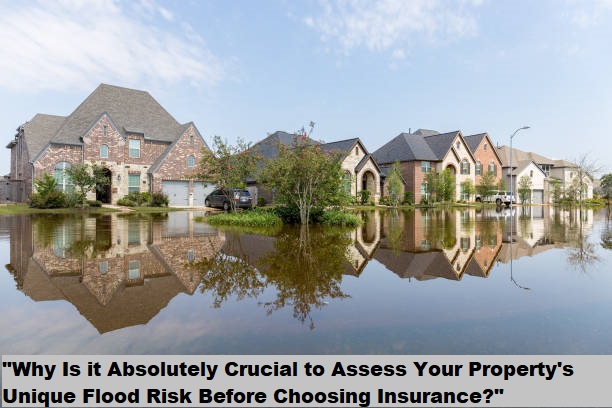
“Why Is it Absolutely Crucial to Assess Your Property’s Unique Flood Risk Before Choosing Insurance?”
introduction:
In this article, we delve into the critical imperative of meticulously evaluating your property’s distinctive flood risk before making any decisions regarding insurance coverage. Every property is unique, and understanding the specific flood vulnerabilities it faces is paramount for homeowners seeking effective and tailored insurance protection against potential water-related perils.
- 1. Property-Specific Topographical Analysis for Flood Vulnerabilities
- 2. Identification of Local Drainage Systems and Water Flow Dynamics
- 3. Assessment of Historical Flood Incidents in the Property’s Vicinity
- 4. Consideration of Climate and Weather Patterns Impacting the Property
- 5. Evaluation of Structural Features Affecting Flood Resilience
- 6. Collaboration with Insurance Experts for Personalized Risk Assessment
Property-Specific Topographical Analysis for Flood Vulnerabilities:
Conducting a property-specific topographical analysis is the foundational step in comprehending flood vulnerabilities. The elevation, slope, and land contours directly impact how floodwaters may interact with the property. Low-lying areas or proximity to water bodies increase vulnerability, necessitating a thorough examination to inform insurance decisions accurately.
Identification of Local Drainage Systems and Water Flow Dynamics:
Understanding local drainage systems and water flow dynamics is crucial for anticipating how rain or flooding may affect a property. Examining the efficiency of drainage infrastructure helps homeowners gauge the potential for water accumulation and flooding. This insight is pivotal in selecting insurance coverage that aligns with the property’s susceptibility to drainage-related issues.
Assessment of Historical Flood Incidents in the Property’s Vicinity:
Analyzing historical flood incidents in the property’s vicinity provides essential context for potential risks. Patterns of past flooding help predict future vulnerabilities, allowing homeowners to make informed decisions about the level of insurance coverage required. Historical data offers valuable insights into the frequency, severity, and impact of floods, guiding homeowners toward proactive risk mitigation.
Consideration of Climate and Weather Patterns Impacting the Property:
Considering the climate and weather patterns specific to the property’s location is crucial. Areas prone to heavy rainfall, hurricanes, or snowmelt require tailored insurance coverage. Understanding the climatic factors influencing flood risks enables homeowners to anticipate potential threats and choose insurance that addresses the unique weather-related challenges faced by their property.
Evaluation of Structural Features Affecting Flood Resilience:
The structural features of a property play a pivotal role in determining its resilience against flooding. Assessing factors such as building materials, foundation type, and elevation helps homeowners understand how well the property can withstand floodwaters. This evaluation informs insurance decisions, ensuring that coverage aligns with the property’s structural characteristics and potential vulnerabilities.
Collaboration with Insurance Experts for Personalized Risk Assessment:
Collaborating with insurance experts provides homeowners with personalized risk assessments tailored to their property. Insurance professionals can offer valuable insights into the specific flood risks a property may face and recommend coverage that aligns with its unique characteristics. This collaborative approach ensures that homeowners make well-informed decisions, addressing their property’s individual needs and vulnerabilities.
Conclusion:
In conclusion, assessing a property’s unique flood risk before choosing insurance is an indispensable process for homeowners. From property-specific topographical analysis to evaluating structural features, each step contributes to a comprehensive understanding of potential vulnerabilities. Identification of local drainage systems, consideration of historical flood incidents, and collaboration with insurance experts further enhance the accuracy of risk assessments. Climate and weather patterns impacting the property provide a forward-looking perspective, guiding homeowners towards adaptive insurance solutions. I hope this exploration empowers homeowners to approach flood insurance decisions with a heightened awareness of their property’s individual characteristics, fostering resilience against the unpredictable forces of nature.


