Blog

  • “Which Specific Regions in the U.S. Are Most Prone to Requiring Comprehensive Flood Insurance Coverage?”

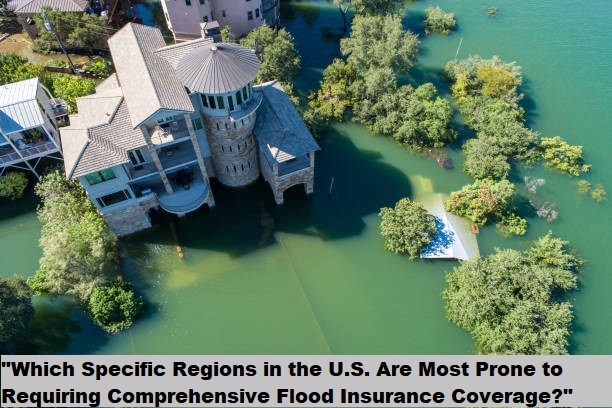
    “Which Specific Regions in the U.S. Are Most Prone to Requiring Comprehensive Flood Insurance Coverage?”

    "Which Specific Regions in the U.S. Are Most Prone to Requiring Comprehensive Flood Insurance Coverage?"

    introduction:

    In this article, we embark on an exploration of flood-prone regions in the U.S., pinpointing areas where comprehensive flood insurance coverage becomes a crucial safeguard. As climate patterns shift and vulnerabilities evolve, understanding the specific regions most susceptible to flooding is imperative for homeowners and communities alike.

    • 1. Identifying High-Risk Coastal Zones
    • 2. Analyzing Riverine Flood Vulnerability in Inland Areas
    • 3. Assessing Flood Plains and Low-Lying Topography
    • 4. Examining Urban Areas Prone to Flash Flooding
    • 5. Evaluating Historical Data for Recurring Flood Incidents
    • 6. Understanding Climate Change Impacts on Emerging High-Risk Regions

    Identifying High-Risk Coastal Zones:

    Coastal zones stand out as high-risk areas for flooding due to the intersection of rising sea levels and extreme weather events. Identifying these regions is crucial for comprehensive flood insurance coverage, as coastal communities face the dual threat of storm surges and tidal inundation. Understanding the unique challenges posed by coastal flooding enables tailored risk assessments and insurance solutions, ensuring residents are adequately protected against the specific perils associated with these areas.

    Analyzing Riverine Flood Vulnerability in Inland Areas:

    Inland areas, traversed by rivers and waterways, present a distinct set of challenges in terms of riverine flooding. Analyzing the vulnerability of these regions involves assessing factors such as topography, precipitation patterns, and upstream water management practices. Comprehensive flood insurance coverage for inland areas takes into account the potential for riverine flooding, addressing the specific risks associated with watercourses that can overflow during heavy rainfall or snowmelt events.

    Assessing Flood Plains and Low-Lying Topography:

    Flood plains and low-lying topography amplify flood risks, requiring a focused approach to comprehensive insurance coverage. Areas situated on flood plains, characterized by their susceptibility to periodic flooding, necessitate detailed risk assessments. Understanding the topographical features of low-lying regions is vital for evaluating the potential extent and impact of floods. Tailored insurance solutions for such areas consider the heightened risk factors associated with their specific geographic characteristics.

    Examining Urban Areas Prone to Flash Flooding:

    Urban areas, with their impervious surfaces and complex drainage systems, are susceptible to flash flooding during intense rainfall or rapid snowmelt. Examining the vulnerability of these regions involves assessing factors such as drainage capacity, land use planning, and stormwater management. Comprehensive flood insurance coverage for urban areas addresses the unique challenges posed by flash flooding, providing financial protection against the rapid onset of water-related emergencies in densely populated environments.

    Evaluating Historical Data for Recurring Flood Incidents:

    Evaluating historical flood data is essential for identifying regions with a recurrent history of flooding. Areas experiencing repeated flood incidents require a nuanced understanding of the contributing factors. Comprehensive flood insurance coverage considers the lessons learned from past events, ensuring that insurance policies are tailored to the specific risks and challenges posed by historical flooding patterns in these regions.

    Understanding Climate Change Impacts on Emerging High-Risk Regions:

    As climate change accelerates, certain regions face emerging flood risks that demand proactive attention. Understanding the impact of climate change on flood vulnerability involves assessing factors such as rising temperatures, changing precipitation patterns, and sea level rise. Comprehensive flood insurance coverage for emerging high-risk regions considers the evolving nature of climate-related risks, providing adaptive solutions to address the dynamic challenges posed by a changing climate.

    Conclusion:

    In conclusion, identifying specific regions in the U.S. most prone to requiring comprehensive flood insurance coverage involves a multifaceted approach. From high-risk coastal zones to inland areas vulnerable to riverine flooding, each region presents unique challenges that demand tailored insurance solutions. Assessing flood plains, low-lying topography, urban areas susceptible to flash flooding, and evaluating historical data contribute to a comprehensive understanding of flood risks. Moreover, acknowledging the impact of climate change on emerging high-risk regions ensures that insurance coverage evolves to meet the evolving challenges of a changing environment. I hope this exploration empowers individuals and communities to make informed decisions, fostering resilience against the increasing threats posed by floods in specific U.S. regions.
  • “How Does Flood Insurance Significantly Differ from Standard Homeowners Insurance Policies?”

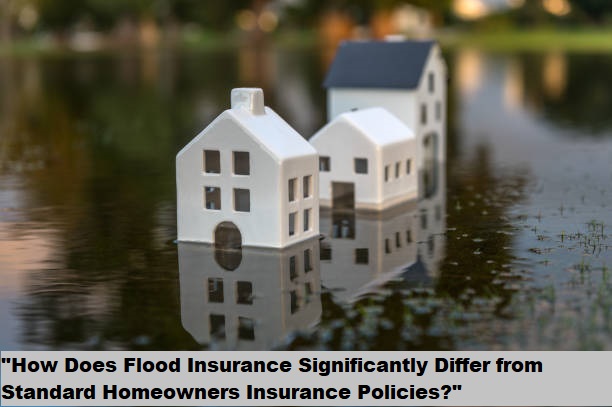
    “How Does Flood Insurance Significantly Differ from Standard Homeowners Insurance Policies?”

    "How Does Flood Insurance Significantly Differ from Standard Homeowners Insurance Policies?"

    introduction:

    In this article, we unravel the nuances of flood insurance, exploring the distinctive characteristics that set it apart from conventional homeowners insurance policies. As homeowners navigate the complexities of protecting their investments, understanding how flood insurance significantly diverges from standard coverage becomes essential.

    • 1. Coverage Extent and Limitations
    • 2. Perils Covered and Excluded in Policies
    • 3. Government Involvement and National Flood Insurance Program (NFIP)
    • 4. Premium Determinants and Cost Variances
    • 5. Property Eligibility Criteria and Geographic Considerations
    • 6. Claims Process and Post-Flood Recovery Assistance

    Coverage Extent and Limitations:

    Flood insurance and homeowners insurance vary significantly in their coverage extent and limitations. While homeowners insurance typically covers damages caused by various perils such as fire, theft, and windstorms, it often excludes flooding. Flood insurance, on the other hand, is specifically designed to cover losses resulting from flooding events, offering a more targeted solution for homeowners in flood-prone areas. It extends coverage to structural elements, personal belongings, and additional living expenses incurred during flood-related displacement.

    Perils Covered and Excluded in Policies:

    The distinction in perils covered and excluded is crucial when comparing flood and homeowners insurance. Homeowners insurance commonly covers a broad range of perils, except for those explicitly excluded. Flood insurance, however, focuses solely on flood-related perils, excluding coverage for most other hazards. This differentiation ensures that policyholders have clarity on the specific risks addressed by each type of insurance, allowing for tailored protection based on individual needs and geographical considerations.

    Government Involvement and National Flood Insurance Program (NFIP):

    Government involvement plays a pivotal role in flood insurance through programs like the National Flood Insurance Program (NFIP). Unlike homeowners insurance, which is often provided by private insurers, flood insurance can be obtained through the NFIP, a government-backed initiative aimed at increasing flood coverage availability. This involvement influences policy terms, pricing, and regulations, creating a distinct landscape for flood insurance compared to the more market-driven nature of homeowners insurance.

    Premium Determinants and Cost Variances:

    The determinants of premiums and cost structures significantly differ between flood and homeowners insurance. Flood insurance premiums are influenced by factors such as the property’s elevation, flood zone designation, and proximity to water bodies. In contrast, homeowners insurance considers a broader set of risks, including the property’s construction materials, location, and security features. Understanding these premium determinants is vital for homeowners to make informed decisions regarding the cost and coverage associated with each type of insurance.

    Property Eligibility Criteria and Geographic Considerations:

    Property eligibility criteria and geographic considerations are paramount distinctions between flood and homeowners insurance. Not all properties are eligible for flood insurance, with certain high-risk areas mandated to have coverage. Geographic considerations, such as flood zone designations and proximity to water bodies, play a crucial role in determining eligibility and coverage levels. Homeowners must navigate these criteria to secure appropriate insurance based on their property’s location and associated flood risks.

    Claims Process and Post-Flood Recovery Assistance:

    The claims process and post-flood recovery assistance differ markedly between flood and homeowners insurance. Flood insurance claims are specifically designed to address flood-related damages, with a focus on structural repairs and replacement of damaged belongings. Post-flood recovery assistance, often provided through the NFIP, offers additional support to affected homeowners. In contrast, homeowners insurance claims encompass a broader range of perils, necessitating a more comprehensive approach to the claims process and recovery assistance.

    Conclusion:

    In conclusion, the distinctions between flood insurance and standard homeowners insurance are pivotal for homeowners seeking comprehensive protection. Understanding the coverage extent, perils addressed, government involvement, premium determinants, eligibility criteria, and claims processes allows individuals to make informed choices aligning with their unique needs and geographical considerations. As the dynamics of climate change continue to influence risk landscapes, the importance of tailored insurance solutions becomes increasingly evident. I hope this exploration empowers homeowners to navigate the complexities of insurance options, securing their homes and belongings with confidence.

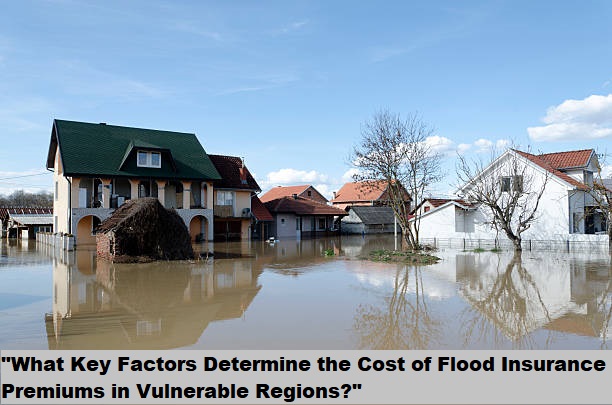
  • “What Key Factors Determine the Cost of Flood Insurance Premiums in Vulnerable Regions?”

    “What Key Factors Determine the Cost of Flood Insurance Premiums in Vulnerable Regions?”

    "What Key Factors Determine the Cost of Flood Insurance Premiums in Vulnerable Regions?"

    introduction:

    In this article, we delve into the intricate realm of flood insurance, exploring the pivotal question: What key factors wield influence over the cost of insurance premiums in regions susceptible to flooding? Understanding these determinants is essential for homeowners navigating the complex terrain of risk mitigation and financial planning.

    • 1. Geographical Vulnerability Analysis
    • 2. Impact of Climate and Weather Patterns
    • 3. Structural Integrity of Local Infrastructure
    • 4. Historical Flood Incidence and Severity
    • 5. Community Flood Protection Measures
    • 6. Policy Customization for Individual Property Characteristics

    Geographical Vulnerability Analysis:

    Understanding the geographical vulnerability of an area is paramount in determining flood insurance costs. Regions prone to flooding due to proximity to rivers, coastlines, or low-lying terrain are at higher risk. The topography plays a pivotal role, as flat areas may experience more extensive flooding. Additionally, advancements in mapping technology enable insurers to assess individual property risks more accurately, considering factors like elevation and distance from water bodies.

    Impact of Climate and Weather Patterns:

    Climate and weather patterns directly influence flood occurrences. Areas with intense rainfall, hurricanes, or snowmelt face heightened risks. Insurers evaluate the frequency and intensity of extreme weather events, assessing how they may exacerbate flooding. A comprehensive understanding of climate data aids in predicting potential risks and setting insurance premiums accordingly.

    Structural Integrity of Local Infrastructure:

    The resilience of local infrastructure significantly impacts flood insurance costs. Robust flood defenses, such as levees and dams, can mitigate risks and reduce premiums. Insurers consider the effectiveness of these structures in protecting communities from potential flood damage, reflecting in the overall cost of insurance.

    Historical Flood Incidence and Severity:

    Analyzing historical flood data provides insights into the frequency and severity of past incidents. Regions with a documented history of recurring floods or severe events are deemed higher risk, influencing insurance pricing. A thorough examination of historical data allows insurers to gauge the potential financial impact of future flood claims.

    Community Flood Protection Measures:

    Communities implementing proactive flood protection measures can positively impact insurance costs. Investments in flood defenses, early warning systems, and community resilience initiatives demonstrate a commitment to risk reduction. Insurers may offer lower premiums to areas actively engaged in safeguarding against flood risks.

    Policy Customization for Individual Property Characteristics:

    Tailoring flood insurance policies to individual property characteristics ensures a personalized approach. Insurers consider factors like building elevation, construction materials, and property-specific flood mitigation efforts. Homeowners can collaborate with insurers to customize policies based on the unique features and risk-mitigating measures of their properties.

    Conclusion:

    I hope this exploration has shed light on the multifaceted factors influencing the cost of flood insurance premiums in vulnerable regions. Geographical vulnerability, climate impacts, local infrastructure, historical data, community initiatives, and personalized policy considerations collectively shape the insurance landscape. Recognizing and addressing these factors not only empowers homeowners with informed decision-making but also contributes to resilient communities. As our understanding of risk evolves, collaboration between insurers, communities, and individuals becomes increasingly crucial in navigating the challenges posed by floods and securing a more resilient future.

  • Why Does Location Significantly Impact Contents Insurance Premiums?

    Why Does Location Significantly Impact Contents Insurance Premiums?

    Why Does Location Significantly Impact Contents Insurance Premiums?


    Introduction:

    In this article, we’ll unravel the intricate nexus between location and the pivotal influence it wields on contents insurance premiums. Location, the linchpin of risk assessment, intricately weaves itself into the fabric of insurance evaluations. Every neighborhood, with its distinct attributes, shapes the perceived risk landscape for insurers. From crime rates to environmental factors, the geographical context forms a tapestry of variables that underpin insurance calculations. Unraveling the nuances of this correlation is crucial to understanding why premiums fluctuate drastically based on where you reside. Delving deeper into this connection unveils the intricate dance between risk perception and geographical placement, shedding light on the intricate mechanisms that dictate insurance costs. Join us on a journey to decipher how your location intricately influences your insurance premiums.

    • Risk Assessment: Analyzing local crime, vandalism, and security factors.
    • Geographical Influences: Impact of climate, natural disasters, and environmental risks.
    • Demographic Dynamics: Population density and neighborhood characteristics’ influence.
    • Historical Claim Data: Insights from past claims in specific areas.
    • Insurance Company Policies: Varied approaches and regional risk evaluations.
    • Policyholder Responsibilities: Security measures and risk mitigation considerations.

    Risk Assessment: Analyzing local crime, vandalism, and security factors.

    When insurers evaluate the risk associated with a specific location, they delve deep into local crime rates, considering the frequency of theft, burglary, vandalism, and other security-related incidents. Higher crime rates in an area often correlate with increased insurance premiums for contents coverage. Insurers meticulously analyze the history and trends of criminal activities in a neighborhood to assess the likelihood of property damage or loss due to unlawful acts.

    Geographical Influences: Impact of climate, natural disasters, and environmental risks.

    The geographical context significantly shapes insurance premiums. Areas prone to natural disasters such as floods, earthquakes, hurricanes, or wildfires pose higher risks to property and, consequently, higher insurance costs. Climate also plays a crucial role; regions susceptible to extreme weather conditions might face increased premiums due to the potential damage caused by storms or temperature-related issues. Additionally, environmental risks like proximity to industrial sites or areas prone to environmental hazards might impact insurance evaluations.

    Demographic Dynamics: Population density and neighborhood characteristics’ influence.

    Population density and neighborhood characteristics form a fundamental part of insurers’ risk assessment. Highly populated areas often experience higher risks due to increased human activity, which can lead to more accidents or incidents. Moreover, the socioeconomic profile of a neighborhood matters; areas with higher-income levels might experience lower crime rates, affecting insurance costs. Neighborhood infrastructure, community services, and access to emergency responders also factor into assessing risk.

    Historical Claim Data: Insights from past claims in specific areas.

    Insurers rely on historical claim data to gauge the risk associated with a location. Past claims provide crucial insights into the frequency and severity of losses in a particular area. If an area has a history of frequent claims due to theft, natural disasters, or other perils, insurers adjust premiums accordingly to mitigate potential future losses.

    Insurance Company Policies: Varied approaches and regional risk evaluations.

    Different insurance companies might employ varied approaches to assess risk based on location. Each insurer may have its proprietary models and methodologies for evaluating risk. Additionally, regional risk evaluations take into account the unique aspects of an area, considering not just the specific location but also the broader regional trends in claims and risks.

    Policyholder Responsibilities: Security measures and risk mitigation considerations.

    Policyholders play a pivotal role in mitigating risks associated with their location. Taking proactive security measures, such as installing alarm systems, reinforcing doors and windows, or implementing fire safety precautions, can positively impact insurance premiums. Moreover, policyholders’ awareness and compliance with risk mitigation recommendations by insurers also influence the assessment of premiums for contents insurance.

    These interconnected factors showcase the complexity behind why location significantly impacts contents insurance premiums. Insurers meticulously analyze these facets to accurately assess risk and determine appropriate premiums for coverage.

    Conclusion:

    I hope this exploration sheds light on the intricate nexus between location and contents insurance premiums. Understanding the multifaceted influences—ranging from crime rates and geographical nuances to demographic dynamics and historical data—is crucial. Insurers meticulously weigh these factors to assess risk accurately, making location a pivotal determinant in premium calculations. As policyholders, being cognizant of these influences empowers us to take proactive measures, reducing risks and potentially influencing insurance costs positively. Recognizing the interplay between where we live and the premiums we pay elucidates the complexity of insurance evaluations. Ultimately, this comprehension underscores the significance of location in shaping contents insurance premiums, urging us to engage actively in risk mitigation and stay informed about the intricate dynamics impacting our insurance assessments.

  • How Long Can I Expect the Processing Time for Contents Insurance Claims?

    How Long Can I Expect the Processing Time for Contents Insurance Claims?

    How Long Can I Expect the Processing Time for Contents Insurance Claims?


    Introduction:

    In this article, we delve into a crucial concern: “How long does it take for content insurance claims to process?” Timing in insurance claims can feel elusive, impacting our peace of mind during uncertain moments. Understanding the processing duration for content insurance claims involves a multifaceted journey. Firstly, comprehending the intricacies of your policy is pivotal. Factors such as claim complexity, documentation accuracy, and insurer protocols significantly influence processing time. Moreover, communication channels and responsiveness between you and your insurer play a vital role. Exploring these facets equips you with the knowledge to navigate claim processing times efficiently. Let’s embark on this exploration to empower your understanding and ensure smoother insurance claim experiences.

    • Policy Decoding: Unravel insurance terms to grasp claim intricacies.
    • Documentation Precision: Ensure accuracy for swift claim assessment and approval.
    • Insurer Communication: Establish clear channels for responsive and informative interactions.
    • Claim Complexity: Anticipate potential delays based on the claim’s intricacy level.
    • Proactive Follow-Up: Stay engaged to expedite the processing pace effectively.
    • Transparent Protocols: Understand and align with the insurer’s procedural timeframes.

    Policy Decoding: Unravel insurance terms to grasp claim intricacies.

    Navigating the landscape of contents insurance claims commences with a fundamental understanding of policy terms. Often, insurance documents are laden with intricate language and specific terminology that can be perplexing to policyholders. Decoding these terms is crucial in comprehending the nuances of coverage, deductibles, and claim processes. Familiarizing oneself with policy intricacies sets the stage for a smoother claims experience. It allows the policyholder to discern the extent of coverage, potential limitations, and obligations, forming the foundation for informed decision-making throughout the claim process.

    Documentation Precision: Ensure accuracy for swift claim assessment and approval.

    The heartbeat of a seamless insurance claim lies in the precision of documentation. When filing a contents insurance claim, accuracy becomes paramount. Every detail matters – from item descriptions and purchase receipts to photographs capturing the condition of possessions. An immaculately compiled set of documents expedites the assessment process, reducing the likelihood of back-and-forth queries from the insurer. Precise documentation not only accelerates the claim approval timeline but also enhances the overall efficiency of the claims process. Policyholders should meticulously organize and present their documentation, ensuring that the insurer receives a clear and comprehensive account of the claimed loss or damage.

    Insurer Communication: Establish clear channels for responsive and informative interactions.

    Effective communication forms the backbone of a timely and stress-free insurance claims process. Policyholders must establish clear channels of communication with their insurance providers. This involves understanding the preferred methods of contact, whether it be through online portals, email, or phone. Responsive interactions are essential, especially during the initial stages of filing a claim. Timely responses to queries and requests for additional information help maintain a fluid exchange of information, preventing unnecessary delays. Clear communication also involves seeking clarification on any ambiguities in the policy or the claims process itself, fostering a transparent and collaborative relationship between the policyholder and the insurer.

    Claim Complexity: Anticipate potential delays based on the claim’s intricacy level.

    The complexity of a contents insurance claim can significantly influence processing time. Policyholders should anticipate potential delays when dealing with intricate claims, such as those involving high-value items, extensive damage assessments, or cases requiring expert evaluations. Understanding the factors that contribute to claim complexity enables policyholders to set realistic expectations regarding processing times. In intricate cases, insurers may need additional time to assess the validity of the claim thoroughly. Being aware of these potential delays allows policyholders to plan accordingly and maintain open communication with their insurer to stay informed about the progress of the assessment.

    Proactive Follow-Up: Stay engaged to expedite the processing pace effectively.

    Proactivity is a powerful catalyst in expediting the processing pace of contents insurance claims. Rather than adopting a passive approach, policyholders are encouraged to actively follow up on their claims. Regularly checking in with the insurer, providing any requested information promptly, and addressing queries promptly can significantly contribute to a faster resolution. This proactive engagement showcases the policyholder’s commitment to the claims process, prompting the insurer to prioritize and expedite the assessment. Staying engaged also allows policyholders to promptly address any unforeseen hurdles, ensuring a smoother and more efficient claims experience.

    Transparent Protocols: Understand and align with the insurer’s procedural timeframes.

    The final piece of the puzzle in expediting contents insurance claims processing is a comprehensive understanding of the insurer’s procedural timeframes. Each insurance provider operates under specific protocols and timelines for claim assessment and approval. Policyholders must familiarize themselves with these timeframes to set realistic expectations. Understanding the internal processes of the insurer helps the policyholder align their expectations with the actual time required for a thorough evaluation. Additionally, transparency regarding procedural timelines facilitates a cooperative relationship between the policyholder and the insurer, fostering trust and minimizing potential frustrations during the claims process. Awareness of these transparent protocols empowers policyholders to navigate the claims journey with confidence and patience.

    Conclusion:

    I hope this exploration sheds light on navigating contents insurance claims. Understanding policy intricacies, maintaining precise documentation, and establishing clear communication channels are pivotal. Anticipating complexities and staying proactive expedites the process. Aligning with insurer protocols and procedural timeframes is key to managing expectations. In conclusion, while the processing time for contents insurance claims varies, informed actions significantly impact the pace. Patience coupled with proactive engagement remains invaluable. Remember, each step taken in comprehending policies, communicating effectively, and ensuring accuracy in documentation contributes to a smoother claims experience. Ultimately, a well-informed, engaged approach not only expedites processing but also fosters a more collaborative and efficient relationship between policyholders and insurers, facilitating timely resolutions and peace of mind.

  • Which Specific Policy Exclusions Should I Pay Close Attention to in Contents Insurance?

    Which Specific Policy Exclusions Should I Pay Close Attention to in Contents Insurance?

    Which Specific Policy Exclusions Should I Pay Close Attention to in Contents Insurance?


    Introduction:

    In this guide, unraveling the complexities of contents insurance demands a discerning eye for policy exclusions. Navigating the fine print requires astuteness—deciphering which specifics could safeguard or jeopardize your coverage. Understanding these exclusions is paramount, akin to a map steering you clear of potential pitfalls. Embracing proactive scrutiny grants you the power to protect what matters most. Delve into the intricacies, unraveling the exclusions that could sway the destiny of your insurance claims. Each clause, a vital piece in the puzzle of safeguarding your belongings, necessitates careful consideration. Let’s embark on this journey, arming ourselves with insights to navigate the labyrinth of contents insurance exclusions.

    • High-Value Items: Identify limits on valuable possessions for coverage adequacy.
    • Natural Disasters: Assess coverage gaps for floods, earthquakes, or hurricanes.
    • Wear and Tear: Scrutinize policies for depreciation impact on claims.
    • Unattended Property: Understand limitations on unoccupied or vacant home coverage.
    • Specific Exclusions: Note prohibited items or specialized belongings for clarity.
    • Policy Changes: Stay vigilant for alterations impacting coverage parameters.

    High-Value Items: Identify limits on valuable possessions for coverage adequacy.

    When considering contents insurance, understanding the coverage limitations on high-value items is critical. These possessions—such as jewelry, art, or antiques—often have specific limits within policies. Identify these thresholds; they dictate the maximum amount you can claim for individual items. Assessing these limits ensures your coverage aligns with the actual value of your prized possessions. Should their value exceed the defined limit, considering additional coverage or a separate policy for these items might be prudent. Conducting valuations or obtaining professional appraisals helps ascertain accurate values, ensuring adequate coverage in case of loss or damage.

    Natural Disasters: Assess coverage gaps for floods, earthquakes, or hurricanes.

    Coverage gaps related to natural disasters can be substantial within contents insurance. Standard policies might exclude or offer limited coverage for events like floods, earthquakes, or hurricanes. Understanding these exclusions is crucial, especially if you reside in areas prone to such calamities. Consider supplementary insurance or riders to bridge these gaps and safeguard your belongings comprehensively. Review policy terms meticulously to discern the extent of coverage provided for natural disasters, as it varies significantly among insurers.

    Wear and Tear: Scrutinize policies for depreciation impact on claims.

    The impact of wear and tear on claims shouldn’t be underestimated. Many insurance policies consider depreciation when assessing claims for items. Understanding how your policy handles depreciation is essential. Some policies offer replacement cost coverage, reimbursing you for the cost of a new item, while others factor in depreciation, reimbursing based on the item’s current value. This difference can significantly impact the amount you receive in a claim. Scrutinize policy clauses related to depreciation and opt for coverage that aligns with your preferences—whether it’s replacement cost or accounting for depreciation.

    Unattended Property: Understand limitations on unoccupied or vacant home coverage.

    Policies often contain clauses related to unoccupied or vacant homes. If you plan extended absences or have seasonal properties, these clauses are critical. Insurance might reduce or eliminate coverage for properties left unattended for extended periods, typically exceeding 30 to 60 days. Understanding these limitations allows proactive measures, like notifying your insurer or exploring specific vacant home insurance. Failure to adhere to these clauses could result in denied claims if incidents occur during the unoccupied period.

    Specific Exclusions: Note prohibited items or specialized belongings for clarity.

    Policies have specific exclusions that warrant careful attention. Certain items might be entirely excluded from coverage or have limited protection. Firearms, certain electronics, or high-risk items might fall into these categories. Identifying these exclusions avoids surprises during claims. Additionally, specialized belongings like collectibles, musical instruments, or sports equipment might have specific coverage limitations or require additional endorsements for full protection. Note these details to ensure comprehensive coverage for all your possessions.

    Policy Changes: Stay vigilant for alterations impacting coverage parameters.

    Insurance policies are subject to changes in coverage terms, conditions, or exclusions. Staying vigilant about policy updates is crucial. Insurers can modify coverage parameters or exclusions, impacting the protection offered. Regularly review policy updates or communication from your insurer to understand alterations that might affect your coverage. Being aware of these changes allows you to make informed decisions about your insurance needs, whether it involves adjusting your coverage or seeking additional protection elsewhere.

    Understanding and addressing these facets within contents insurance policies empowers you to make informed decisions, ensuring comprehensive coverage aligned with your specific needs and safeguarding your valued possessions against potential risks and exclusions.

    Conclusion:

    I hope these insights shed light on crucial exclusions in contents insurance. Understanding these nuances can safeguard your possessions effectively. Awareness of excluded items like high-value jewelry, art, or certain electronics empowers informed decision-making. Evaluation of coverage gaps for accidental damage or specific natural disasters aids in customizing policies to suit your needs. Additionally, comprehending limitations regarding temporary accommodation or storage amplifies preparedness in unforeseen circumstances. Scrutinizing policy language concerning wear and tear, inadequate maintenance, or intentional damage ensures clarity on potential claim denials. Vigilance toward coverage limits for valuables prevents underinsurance risks. Regular policy reviews and communication with insurers foster a proactive approach to adapt coverage as circumstances change. In essence, staying informed and vigilant about these exclusions fortifies the reliability of your contents insurance.

  • How Can I Precisely Calculate the Value of Contents for Insurance Purposes?

    How Can I Precisely Calculate the Value of Contents for Insurance Purposes?

    How Can I Precisely Calculate the Value of Contents for Insurance Purposes?


    Introduction:

    In this article, we embark on the crucial quest of determining the exact worth of your possessions for insurance matters. Estimating the value of your belongings requires meticulous attention and a strategic approach. Calculating the true value involves more than mere observation; it demands precision, insight, and a comprehensive understanding of your items. To safeguard against under or overvaluation, a systematic assessment of each possession becomes imperative. From high-ticket items to sentimental treasures, each holds a distinct place in the valuation process. Discovering the value entails a blend of research, documentation, and consideration of various factors. Join this exploration as we unravel the intricacies of assessing the precise value of your contents for insurance purposes.

    • Inventory: Catalog every item with detailed descriptions for accuracy.
    • Research: Assess market value to ascertain current worth accurately.
    • Documentation: Maintain records for proof of ownership and value.
    • Appraisal: Seek professional assessments for high-value or rare items.
    • Replacement Cost: Consider current prices to ensure adequate coverage.
    • Review: Regularly update valuation to reflect changes in possessions.

    Inventory: Catalog every item with detailed descriptions for accuracy.

    Creating a comprehensive inventory is the cornerstone of calculating content value for insurance. Begin by methodically documenting each possession. Start room by room, noting down items, big or small. Include specifics: brand names, models, purchase dates, and any unique identifiers. Photos or videos supplement these descriptions, providing visual evidence. Accuracy here is key; it ensures your insurance accurately covers the full extent of your belongings.

    Research: Assess market value to ascertain current worth accurately.

    To determine the precise value, delve into market research. Investigate comparable items online or in stores to gauge their current worth. Consider depreciation for older items and fluctuations in market trends for valuables like electronics or antiques. This step ensures your valuation reflects the current market value, preventing over or underestimation.

    Documentation: Maintain records for proof of ownership and value.

    Solid documentation is your safeguard. Keep receipts, invoices, appraisals, and photographs organized and accessible. Store these records in a secure location or digitally for easy retrieval. These documents substantiate ownership and value claims, streamlining the insurance process in case of a claim.

    Appraisal: Seek professional assessments for high-value or rare items.

    For particularly valuable or unique possessions like fine art, jewelry, or vintage items, seek professional appraisals. Certified appraisers evaluate these items impartially, providing an accurate assessment crucial for insurance coverage. Their expertise ensures you’re not undervaluing these assets, offering the right level of protection.

    Replacement Cost: Consider current prices to ensure adequate coverage.

    While assessing value, factor in replacement costs. Market values might differ from what it would cost to replace an item. This step ensures your insurance coverage aligns with what it would take to replace your belongings at today’s prices, safeguarding against unexpected expenses.

    Review: Regularly update valuation to reflect changes in possessions.

    A vital, ongoing process, regularly update your inventory and valuation. Lifestyle changes, acquisitions, or disposals should prompt updates. Set aside time annually or during significant life events to revisit and revise your inventory. This continual review guarantees your insurance coverage keeps pace with the value of your possessions, maintaining accurate protection.

    Incorporating these steps establishes a robust system to precisely calculate the value of your contents for insurance purposes. Each phase contributes to an accurate assessment, ensuring your possessions are adequately covered, providing peace of mind in unforeseen circumstances.

    Conclusion:

    I hope this journey through the intricacies of valuing your possessions for insurance purposes has shed light on the crucial steps to ensure accurate coverage. From meticulous inventory management to regular reviews, each facet contributes to a robust valuation process. Remember, precision is paramount; it guards against underestimating your belongings’ worth, averting potential financial gaps in coverage during claims. By cataloging items, conducting market research, maintaining meticulous records, seeking professional appraisals, considering replacement costs, and consistently reviewing your valuation, you establish a comprehensive framework. This framework acts as your safety net, safeguarding your possessions adequately. Ultimately, the diligence invested in precisely calculating your contents’ value doesn’t just protect items; it safeguards peace of mind, ensuring you’re prepared for any unforeseen circumstances with confidence and clarity.

  • Which Factors Are Most Likely to Lead to Contents Insurance Claim Denials?

    Which Factors Are Most Likely to Lead to Contents Insurance Claim Denials?

    Which Factors Are Most Likely to Lead to Contents Insurance Claim Denials?

    Introduction:

    In this article, we’ll navigate the labyrinth of factors influencing content insurance claim denials. Understanding these elements can mean the difference between a successful claim and an unfortunate denial. Delving into the intricate landscape of policy specifics, we unearth the pivotal criteria shaping insurers’ decisions. Each aspect, from policy coverage nuances to documentation precision, wields immense power in determining claim outcomes. Unraveling the mysteries of claim denials requires a keen eye for detail and an awareness of the often-overlooked determinants. We’ll explore the nuanced interplay of circumstances, shedding light on what factors contribute most significantly to claim rejections. Ultimately, arming oneself with this knowledge empowers individuals in navigating the complexities of content insurance claims.

    • Policy Coverage Limits: Understanding coverage boundaries and exclusions crucially impacts claims.
    • Documentation Accuracy: Precision in submitting required documents avoids claim rejections.
    • Pre-existing Damage: Evaluating prior conditions affecting claimed items prevents denial.
    • Unreported Changes: Notifying insurers of alterations to property mitigates denials.
    • Misrepresentation: Honest and accurate information prevents claim dismissal due to misrepresentation.
    • Timely Reporting: Promptly reporting incidents to insurers is pivotal for approval.

    Policy Coverage Limits: Understanding coverage boundaries and exclusions crucially impacts claims.

    Navigating the intricate details of your insurance policy is paramount to ensuring a successful claim. Insurance policies have specific coverage limits, which are the maximum amounts the insurer will pay for a covered loss. It is crucial for policyholders to be aware of these limits, as exceeding them can lead to claim denials or partial payouts. Additionally, policies often come with exclusions, specifying situations or items not covered. Failing to comprehend these exclusions might result in unexpected claim rejections.

    Documentation Accuracy: Precision in submitting required documents avoids claim rejections.

    Accurate documentation is the backbone of a successful insurance claim. Insurers require thorough evidence to assess the validity of a claim and determine the extent of the loss. Policyholders should meticulously gather and submit all necessary documents, including incident reports, receipts, and photographic evidence. Any discrepancies or omissions in the documentation can provide grounds for claim denial. Precision and completeness are key, ensuring that the submitted information aligns with the details outlined in the insurance policy.

    Pre-existing Damage: Evaluating prior conditions affecting claimed items prevents denial.

    A careful assessment of pre-existing damage is vital when filing a contents insurance claim. Insurers scrutinize the condition of items before the reported incident to differentiate between existing and newly incurred damage. Failing to disclose pre-existing damage may lead to claim denials, as it can be perceived as an attempt to receive compensation for damages that existed before the coverage period. Transparently reporting the accurate condition of items prior to an incident is essential to avoid disputes and enhance the chances of a successful claim.

    Unreported Changes: Notifying insurers of alterations to property mitigates denials.

    Any changes or alterations to the insured property should be promptly reported to the insurance company. Failure to inform insurers about modifications, renovations, or changes in occupancy can result in claim denials. Insurers rely on accurate information to assess risk and determine appropriate coverage. If changes are not reported, it can be considered a breach of the policy terms, leading to denied claims. Proactive communication with the insurer about any modifications ensures that the policy remains up-to-date, reducing the risk of denial when a claim is filed.

    Misrepresentation: Honest and accurate information prevents claim dismissal due to misrepresentation.

    Honesty is non-negotiable when dealing with insurance claims. Misrepresenting facts, intentionally or unintentionally, can have severe consequences. Policyholders must provide accurate information when applying for insurance and throughout the claims process. Misrepresentation, such as providing false details about the value of items or the circumstances of an incident, can lead to claim dismissal. To avoid this, it is crucial to communicate openly with the insurer, providing truthful and precise information to ensure the integrity of the claim and prevent potential denials.

    Timely Reporting: Promptly reporting incidents to insurers is pivotal for approval.

    Time is of the essence when it comes to reporting incidents to your insurer. Delays in reporting can jeopardize the approval of your claim. Insurance companies often have specific timeframes within which incidents must be reported to be considered valid. Failing to adhere to these timelines can result in claim denials. Prompt reporting allows insurers to conduct timely investigations, assess damages, and process claims efficiently. Policyholders should be aware of the reporting requirements outlined in their policies and act promptly to ensure a smoother and more successful claims process.

    Conclusion:

    I hope this exploration into potential pitfalls when claiming content insurance illuminates the significance of meticulousness. Understanding policy intricacies, maintaining transparency, and timely actions are keystones in circumventing claim denials. It’s evident that awareness of coverage limits, coupled with precise documentation and reporting, is pivotal. Honesty throughout, especially regarding pre-existing conditions and any alterations, is non-negotiable. Ultimately, the resilience of a claim hinges on adhering to policy guidelines and promptly informing insurers of any changes or incidents. This journey through the nuances of insurance claims underscores the critical role policyholders play in steering clear of denials. By embodying these principles, individuals can significantly enhance the likelihood of successful content insurance claims, safeguarding their valued possessions effectively.

  • Which Valuable Policy Add-ons Can Significantly Enhance Contents Insurance Coverage?

    Which Valuable Policy Add-ons Can Significantly Enhance Contents Insurance Coverage?

    Which Valuable Policy Add-ons Can Significantly Enhance Contents Insurance Coverage?


    Introduction:

    In this article, we delve into the realm of contents insurance, uncovering invaluable policy add-ons that can elevate coverage to unprecedented levels of protection. Enhancing standard coverage with specific add-ons can be the difference between adequate and comprehensive protection for your belongings. These supplementary options cater to diverse needs, extending safeguards beyond conventional boundaries. From specialized coverage for high-value items like jewelry or art to provisions for temporary accommodation during home repairs, these policy add-ons offer tailored solutions. Understanding the significance of these additional layers equips policyholders with the foresight to fortify their insurance coverage, ensuring a safety net that aligns precisely with their unique circumstances and prized possessions.

    • High-Value Items: Specialized coverage for precious possessions like jewelry or art.
    • Temporary Accommodation: Ensures a safety net during home repairs or renovations.
    • Identity Theft Protection: Safeguard personal information with comprehensive identity theft coverage.
    • Natural Disaster Add-ons: Tailored provisions for protection against specific natural disasters.
    • Electronics and Gadget Coverage: Extends coverage to safeguard your electronic devices comprehensively.
    • Extended Liability Protection: Enhanced liability coverage for added financial security and peace of mind.

    High-Value Items: Specialized coverage for precious possessions like jewelry or art.

    Certain belongings, such as jewelry, art pieces, or collectibles, often exceed the limits of standard contents insurance. High-value items add-ons cater specifically to these treasures, offering specialized coverage that extends beyond the typical policy boundaries. These add-ons ensure that your most precious possessions receive adequate protection against theft, loss, or damage. Insurers understand the exceptional value these items hold and provide coverage that aligns with their worth, offering peace of mind to policyholders knowing their prized possessions are safeguarded against unforeseen circumstances.

    Temporary Accommodation: Ensures a safety net during home repairs or renovations.

    During times of home repairs or renovations due to covered incidents, temporary accommodation add-ons become invaluable. These provisions cover the costs of alternative accommodation, such as renting a temporary residence or staying in a hotel while your home is uninhabitable. This add-on not only ensures a roof over your head during challenging times but also mitigates additional financial strain by covering accommodation expenses. It’s a safety net that provides both practical assistance and peace of mind, ensuring that you and your family have a comfortable place to stay while your home undergoes necessary repairs or renovations.

    Identity Theft Protection: Safeguard personal information with comprehensive identity theft coverage.

    Identity theft can have devastating consequences, affecting not just finances but also one’s emotional well-being. Identity theft protection add-ons offer comprehensive coverage that goes beyond financial reimbursements. These add-ons typically include services like credit monitoring, identity restoration assistance, and coverage for legal expenses related to identity theft issues. They serve as a robust shield against the complexities of identity theft, providing not just financial compensation but also expert guidance and support to reclaim your identity. Given the prevalence of identity theft in the digital age, this add-on stands as an essential safeguard, offering holistic protection against this pervasive threat.

    Natural Disaster Add-ons: Tailored provisions for protection against specific natural disasters.

    Standard contents insurance might not cover specific natural disasters, leaving policyholders vulnerable to substantial losses. Natural disaster add-ons address these gaps by offering tailored provisions for protection against events like earthquakes, floods, or hurricanes, depending on the geographical risks. These add-ons extend coverage to include damage caused by these disasters, ensuring that your belongings receive adequate protection when such catastrophic events occur. Understanding the specific risks in your area and supplementing your policy with natural disaster add-ons provides a crucial layer of protection against the unpredictable forces of nature.

    Electronics and Gadget Coverage: Extends coverage to safeguard your electronic devices comprehensively.

    In today’s tech-centric world, electronics and gadgets hold significant value, both monetarily and functionally. Electronics and gadget coverage add-ons offer comprehensive protection beyond standard policies, safeguarding items like laptops, smartphones, cameras, and other electronic devices against accidental damage, theft, or mechanical breakdown. Given the frequency of accidents involving gadgets and their susceptibility to damage, this add-on becomes invaluable. It ensures that your essential electronic devices, often integral to daily life, remain protected, minimizing disruptions caused by unforeseen incidents.

    Extended Liability Protection: Enhanced liability coverage for added financial security and peace of mind.

    Liability incidents can result in substantial financial strain and legal complexities. Extended liability protection add-ons offer increased coverage limits beyond the standard policy, providing added financial security in case of accidents resulting in property damage or bodily injuries to others. These add-ons cover legal fees, medical expenses, and compensation costs, offering an extra layer of protection against potential lawsuits. Understanding the potential risks and liabilities in various situations allows individuals to opt for extended liability protection, ensuring comprehensive coverage that shields against unforeseen events and potential financial burdens.

    Conclusion:

    I hope this exploration into valuable policy add-ons has illuminated the transformative potential they hold in elevating contents insurance coverage. These specialized additions serve as invaluable shields, offering tailored protection beyond the confines of standard policies. By comprehensively addressing specific needs such as safeguarding high-value items, providing temporary accommodation, protecting against identity theft, mitigating natural disaster risks, securing electronics, and extending liability coverage, these add-ons fortify the safety net for policyholders. Understanding the diverse options available empowers individuals to tailor their insurance coverage to align precisely with their unique circumstances and priorities. As guardians of your possessions and well-being, these add-ons stand as indispensable tools in navigating the unpredictable realms of life, ensuring that your insurance coverage remains robust and adaptive to the challenges that may arise.

  • How Does Depreciation Consideration Affect Reimbursement in Contents Insurance Claims?

    How Does Depreciation Consideration Affect Reimbursement in Contents Insurance Claims?

    How Does Depreciation Consideration Affect Reimbursement in Contents Insurance Claims?


    Introduction:

    In this article, we embark on a crucial exploration of the often-overlooked realm of contents insurance claims, focusing specifically on the impact of depreciation consideration. Navigating the aftermath of a loss, be it due to theft, damage, or unforeseen circumstances, hinges on understanding how depreciation shapes reimbursement. Every possession carries a lifespan, and comprehending how insurers factor in depreciation when reimbursing claims is pivotal. This process significantly influences the amount policyholders receive, as it considers the wear and tear of items over time. By unraveling the complexities of depreciation in contents insurance claims, we aim to empower individuals to navigate the path to fair reimbursement with clarity and informed decision-making.

    • Depreciation Basics: Grasp the fundamental concept shaping reimbursement calculations.
    • Claim Evaluation: Understand how insurers assess depreciation for varied belongings.
    • Age and Wear: Explore the correlation between item age and reimbursement.
    • Replacement Cost: Differentiate between actual cash value and replacement cost coverage.
    • Mitigating Depreciation: Discover strategies to minimize depreciation impact on claims.
    • Documentation Importance: Emphasize the role of thorough documentation for fair reimbursement.

    Depreciation Basics: Grasp the fundamental concept shaping reimbursement calculations.

    Depreciation stands as a pivotal factor dictating the reimbursement value in contents insurance claims. At its core, depreciation reflects the decrease in an item’s value over time due to wear and tear or obsolescence. Understanding this concept is crucial as it profoundly influences how insurers calculate the payout for damaged or stolen items. Insurers typically assess depreciation by considering an item’s original value and its estimated lifespan. This assessment results in a reduced value, termed the actual cash value (ACV), which determines the reimbursement amount. Grasping this fundamental concept clarifies why reimbursement values may differ from the initial purchase price, emphasizing the necessity of comprehending depreciation in the claims process.

    Claim Evaluation: Understand how insurers assess depreciation for varied belongings.

    Insurers employ diverse methodologies to evaluate depreciation across various belongings when processing contents insurance claims. For items like electronics or furniture, depreciation assessment often considers factors such as age, condition, and market value. Older items typically incur more substantial depreciation, while well-maintained or newer possessions may retain higher values. Insurers may utilize depreciation tables or industry standards to ascertain the reduction in value over time. Understanding how insurers evaluate depreciation aids in anticipating the reimbursement value for different items and enables policyholders to make informed decisions during the claims process. This comprehension empowers individuals to advocate for fair reimbursement based on a comprehensive understanding of depreciation assessment methods.

    Age and Wear: Explore the correlation between item age and reimbursement.

    The relationship between an item’s age and the resultant reimbursement amount in contents insurance claims is intricately tied to the concept of depreciation. Generally, as items age, they experience wear and tear, leading to a decrease in their value. Insurers factor in this wear and tear when assessing depreciation, thereby impacting the reimbursement amount. Older items often receive lower reimbursements due to their reduced market value caused by aging and usage. Understanding this correlation between age, wear, and reimbursement aids policyholders in managing expectations regarding the payout for older possessions. It also underscores the importance of maintaining thorough documentation of items’ ages and conditions to support reimbursement claims accurately.

    Replacement Cost: Differentiate between actual cash value and replacement cost coverage.

    Different insurance policies offer varying approaches to reimbursements: actual cash value (ACV) and replacement cost coverage. ACV considers an item’s depreciated value at the time of loss, leading to lower payouts due to wear and tear. Conversely, replacement cost coverage reimburses the amount required to replace the item at its current market value without considering depreciation. Understanding this crucial distinction is vital for policyholders when selecting coverage types. Opting for replacement cost coverage often results in higher premiums but ensures more comprehensive reimbursement, mitigating the impact of depreciation on claims. This awareness enables individuals to make informed decisions aligning with their preferences for coverage and reimbursement expectations.

    Mitigating Depreciation: Discover strategies to minimize depreciation impact on claims.

    While depreciation is an inherent factor in reimbursement calculations, certain strategies can help mitigate its impact on contents insurance claims. Regular maintenance, proper care, and upkeep of possessions can slow down the depreciation process, potentially retaining higher values for insured items. Additionally, selecting replacement cost coverage over actual cash value coverage can significantly reduce the effects of depreciation on claim reimbursements. Another strategy involves keeping records of maintenance, repairs, or upgrades performed on items, providing evidence to support higher reimbursement claims. Understanding these mitigation strategies empowers policyholders to proactively safeguard the value of their possessions and optimize reimbursement in the event of a claim.

    Documentation Importance: Emphasize the role of thorough documentation for fair reimbursement.

    Thorough and meticulous documentation is the cornerstone of securing fair reimbursement in contents insurance claims. Detailed records encompassing receipts, purchase dates, photographs, and item descriptions serve as crucial evidence supporting the value of possessions. This documentation substantiates the initial worth of items and their conditions, enabling insurers to accurately assess depreciation and determine appropriate reimbursement amounts. Policyholders should maintain an organized inventory of belongings, regularly updating it to reflect any changes or additions. Such comprehensive documentation not only streamlines the claims process but also strengthens the case for fair reimbursement by providing clear evidence of possessions and their values. Understanding the pivotal role of documentation equips individuals to navigate claims processes with confidence and maximizes the likelihood of receiving fair and adequate reimbursements.

    Conclusion:

    I hope this journey through the labyrinth of depreciation’s impact on contents insurance claims has shed light on a crucial yet often misunderstood facet of reimbursement. Understanding depreciation as the compass guiding reimbursement calculations underscores its pivotal role in determining claim payouts. By comprehending the nuances of age, wear, and coverage types, individuals can navigate the terrain of insurance claims with greater clarity and informed expectations. Mitigation strategies and meticulous documentation emerge as indispensable tools in mitigating depreciation’s influence and advocating for fair reimbursement. Ultimately, empowerment lies in this knowledge, allowing policyholders to proactively protect their possessions and engage with insurers confidently. May this understanding fortify your approach to insurance claims, ensuring that depreciation considerations do not obscure the path to fair and just reimbursement.