Tag: Flood-insurance

  • “Why is Private Flood Insurance Emerging as a Viable and Growing Alternative to NFIP Coverage?”

    “Why is Private Flood Insurance Emerging as a Viable and Growing Alternative to NFIP Coverage?”

    "Why is Private Flood Insurance Emerging as a Viable and Growing Alternative to NFIP Coverage?"


    introduction:

    In this article, we unravel the compelling reasons behind the escalating prominence of private flood insurance as an increasingly viable and flourishing alternative to coverage provided by the National Flood Insurance Program (NFIP). As homeowners navigate the shifting landscape of flood protection, understanding the distinct advantages offered by private insurers becomes pivotal in making informed and tailored choices for safeguarding their properties.

    • 1. Customized Policies Tailored to Individual Property Characteristics and Risks
    • 2. Competitive Premiums and Flexible Coverage Options Beyond NFIP Constraints
    • 3. Innovative Technology for Accurate Risk Assessment and Timely Claim Processing
    • 4. Higher Coverage Limits Providing Enhanced Financial Protection for Policyholders
    • 5. Expedited Claims Processing and Improved Customer Service Experience
    • 6. Adaptability to Evolving Market Trends and Changing Flood Risk Dynamics

    Customized Policies Tailored to Individual Property Characteristics and Risks:


    Private flood insurance distinguishes itself by offering customized policies tailored to the unique characteristics and risks of individual properties. Unlike the one-size-fits-all approach of NFIP, private insurers leverage detailed assessments to tailor coverage, considering factors such as property elevation, construction materials, and specific flood risks. This customization ensures that homeowners receive precisely the coverage they need, optimizing protection and aligning with the distinctive features of their properties.

    Competitive Premiums and Flexible Coverage Options Beyond NFIP Constraints:

    One of the compelling reasons for the growing preference for private flood insurance is the competitive premiums and flexible coverage options it provides, surpassing the constraints often associated with NFIP. Private insurers operate in a competitive market, offering a range of coverage choices tailored to diverse budgets and preferences. This flexibility allows homeowners to choose coverage that suits their financial capacity while enjoying the benefits of enhanced protection beyond what NFIP might provide. The ability to tailor coverage based on individual needs contributes to the attractiveness of private insurers in the flood insurance landscape.


    Innovative Technology for Accurate Risk Assessment and Timely Claim Processing:

    Private flood insurers leverage innovative technology for accurate risk assessment, enhancing their ability to evaluate and price flood risks with precision. Advanced tools such as satellite imagery, geospatial mapping, and predictive analytics enable insurers to conduct thorough risk assessments, ensuring that coverage aligns closely with actual flood vulnerabilities. Additionally, the use of technology streamlines claim processing, facilitating quicker and more efficient resolutions for policyholders. This technological edge contributes to the appeal of private flood insurance, as homeowners seek not only accurate risk evaluation but also a streamlined and responsive claims experience.

    Higher Coverage Limits Providing Enhanced Financial Protection for Policyholders:

    Private flood insurance often offers higher coverage limits, providing policyholders with enhanced financial protection against the potentially devastating impacts of floods. Unlike the predetermined limits set by NFIP, private insurers allow homeowners to secure coverage that more closely matches the value of their properties and possessions. This higher coverage mitigates the risk of underinsurance and ensures that policyholders have the financial resources needed for comprehensive recovery in the aftermath of a flood event. The appeal of higher coverage limits is a significant factor driving the increasing popularity of private flood insurance.

    Expedited Claims Processing and Improved Customer Service Experience:


    Private flood insurers prioritize expedited claims processing and a superior customer service experience, addressing common pain points associated with traditional insurance programs like NFIP. By focusing on efficiency and responsiveness, private insurers aim to minimize the stress and delays often experienced during the claims process. Homeowners appreciate the quicker resolution of claims, contributing to an overall positive customer service experience. The emphasis on customer satisfaction and efficient claims processing distinguishes private flood insurance providers as customer-centric alternatives in the market.

    Adaptability to Evolving Market Trends and Changing Flood Risk Dynamics:

    Private flood insurance exhibits adaptability to evolving market trends and changing flood risk dynamics, allowing insurers to stay ahead of emerging challenges. In contrast to the relatively static nature of government-backed programs like NFIP, private insurers can swiftly respond to shifts in the insurance landscape, incorporating new technologies, adjusting coverage options, and refining risk assessment methodologies. This adaptability ensures that policyholders benefit from the latest advancements in flood risk management, making private insurance a dynamic and forward-thinking choice for homeowners navigating the unpredictable nature of flood risks.

    Conclusion:


    In conclusion, the emergence of private flood insurance as a viable and growing alternative to NFIP coverage can be attributed to its ability to offer tailored, competitive, and technologically advanced solutions. Customized policies that consider individual property characteristics and risks provide homeowners with precise coverage, addressing the limitations of standardized approaches. Competitive premiums and flexible coverage options surpass the constraints of NFIP, offering homeowners a range of choices. The integration of innovative technology ensures accurate risk assessment and timely claims processing, enhancing the overall insurance experience. Higher coverage limits, expedited claims processing, and adaptability to evolving market trends further contribute to the appeal of private flood insurance. I hope this exploration sheds light on the multifaceted advantages driving the increasing prominence of private flood insurance, empowering homeowners to make informed choices in safeguarding their properties.

  • “Which Tailored Types of Flood Insurance Policies Offer Comprehensive Protection for Discerning Property Owners?”

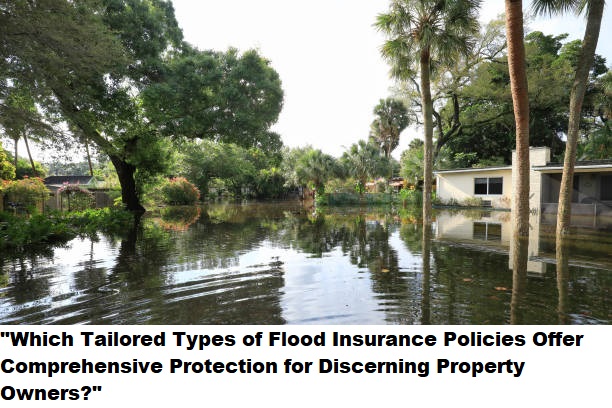
    “Which Tailored Types of Flood Insurance Policies Offer Comprehensive Protection for Discerning Property Owners?”

    "Which Tailored Types of Flood Insurance Policies Offer Comprehensive Protection for Discerning Property Owners?"

    introduction:


    In this article, we embark on a journey to uncover the intricacies of tailored flood insurance policies, meticulously designed to provide discerning property owners with comprehensive protection. As homeowners navigate the diverse landscape of flood risks, understanding the nuanced options available ensures a bespoke approach to safeguarding their investments.

    • 1. Elevated Structure Coverage for Enhanced Flood Resilience
    • 2. Contents-Only Policies Tailored to Protect Personal Belongings Specifically
    • 3. Flood Endorsements: Customizing Standard Homeowners Policies for Flood Protection
    • 4. Excess Flood Insurance: Bridging Gaps in Primary Coverage Adequacy
    • 5. Business Flood Insurance: Safeguarding Commercial Properties with Specialized Plans
    • 6. Preferred Risk Policies: Tailored Solutions for Low to Moderate Flood Risk

    Elevated Structure Coverage for Enhanced Flood Resilience:


    Elevated structure coverage is a tailored flood insurance option that focuses on fortifying the structural elements of a property against flood-related damages. This specialized policy recognizes the importance of elevating homes above the base flood elevation (BFE) to minimize the risk of inundation. By providing coverage specifically designed for elevated structures, this policy ensures that property owners benefit from enhanced flood resilience, offering financial protection for structural repairs and improvements that contribute to mitigating flood risks.

    Contents-Only Policies Tailored to Protect Personal Belongings Specifically:


    Contents-only policies cater exclusively to protecting personal belongings within a property. Tailored to discerning property owners who seek comprehensive coverage for their valuables, these policies are designed to safeguard possessions such as furniture, electronics, and personal items. This focused approach allows homeowners to prioritize the protection of their belongings without the need for extensive structural coverage. Contents-only policies offer flexibility and customization, ensuring that discerning property owners can tailor their insurance plans to align with the specific value and importance of their personal possessions.

    Flood Endorsements: Customizing Standard Homeowners Policies for Flood Protection:

    Flood endorsements provide a customized solution by allowing homeowners to enhance their standard homeowners insurance policies with specific flood protection. This tailored approach acknowledges the unique needs of discerning property owners who may want to fortify their existing coverage against flood-related risks. Flood endorsements typically provide additional coverage for structural and personal property damage caused by floods, ensuring a seamless integration of flood protection into the broader homeowners insurance framework. This customization empowers property owners to adapt their coverage to the evolving landscape of flood risks while maintaining the convenience of a consolidated insurance policy.

    Excess Flood Insurance: Bridging Gaps in Primary Coverage Adequacy:

    Excess flood insurance serves as a supplementary layer of protection, bridging gaps in primary coverage adequacy. Discerning property owners who recognize potential shortcomings in their primary flood insurance policies can opt for excess coverage to ensure comprehensive protection. This tailored policy kicks in when the limits of the primary coverage are exhausted, offering an additional financial cushion against extensive flood-related damages. Excess flood insurance is particularly valuable for property owners seeking to mitigate the risk of being underinsured in the face of catastrophic flooding events, providing peace of mind and financial security.


    Business Flood Insurance: Safeguarding Commercial Properties with Specialized Plans:

    Tailored for commercial property owners, business flood insurance is designed to safeguard businesses against the unique risks posed by floods. Recognizing the distinct needs of commercial properties, this specialized policy provides coverage for structural damage, business interruption, and loss of inventory due to floods. It ensures that discerning business owners can navigate the complexities of flood risks, protecting their assets, revenue streams, and overall business continuity. Business flood insurance offers a tailored solution that aligns with the specific vulnerabilities and financial considerations of commercial properties.

    Preferred Risk Policies: Tailored Solutions for Low to Moderate Flood Risk:

    Preferred risk policies cater to property owners situated in low to moderate flood risk areas. Tailored for those who may not be eligible for standard flood insurance, these policies offer affordable and comprehensive coverage tailored to the specific risk profile of the property. By providing a tailored solution for properties in less flood-prone regions, preferred risk policies ensure that discerning property owners can access adequate protection without incurring exorbitant premiums. This option is particularly beneficial for those seeking a balance between comprehensive coverage and cost-effectiveness in regions with lower flood risk.

    Conclusion:


    In conclusion, the array of tailored flood insurance policies offers discerning property owners a comprehensive approach to safeguarding their investments against the diverse landscape of flood risks. From elevated structure coverage for enhanced resilience to contents-only policies focusing on personal belongings, these options cater to specific needs. Flood endorsements provide customization within standard homeowners policies, while excess flood insurance bridges gaps in primary coverage adequacy. Business flood insurance addresses the unique risks faced by commercial properties, and preferred risk policies offer tailored solutions for low to moderate flood risk areas. I hope this exploration empowers discerning property owners to navigate the flood insurance landscape with confidence, selecting policies that align with their unique needs and priorities, ensuring robust protection for their valuable investments.


  • “How Does the Evolving Landscape of the National Flood Insurance Program (NFIP) Impact Coverage?”

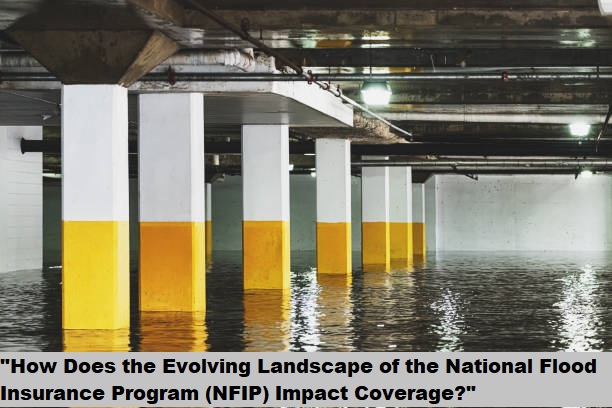
    “How Does the Evolving Landscape of the National Flood Insurance Program (NFIP) Impact Coverage?”

    "How Does the Evolving Landscape of the National Flood Insurance Program (NFIP) Impact Coverage?"

    introduction:


    In this article, we unravel the dynamic transformations within the National Flood Insurance Program (NFIP) and delve into their profound implications on coverage. As the NFIP undergoes continual changes, understanding its evolving landscape is essential for homeowners navigating the complex realm of flood insurance.

    • 1. Policy Modifications in Response to Shifting Climate and Risk Factors
    • 2. Financial Implications on Premiums Amidst Program Adjustments
    • 3. Expanding Coverage to Address Growing Vulnerabilities and Changing Demographics
    • 4. Community Participation and Its Influence on NFIP Effectiveness
    • 5. Government Initiatives for Enhanced Flood Resilience and Risk Mitigation
    • 6. Navigating the Challenges and Opportunities Arising from NFIP Evolution

    Policy Modifications in Response to Shifting Climate and Risk Factors:

    Policy modifications within the NFIP respond to the ever-shifting climate and risk factors that influence flood occurrences. As climate change intensifies, the program adapts its policies to address emerging threats and vulnerabilities. This involves revisiting coverage parameters, adjusting risk assessments, and tailoring policies to better align with the evolving landscape of flood risks. Homeowners need to stay informed about these policy modifications to ensure their coverage remains comprehensive and relevant in the face of changing environmental dynamics.

    Financial Implications on Premiums Amidst Program Adjustments:


    The financial implications on premiums within the NFIP are a direct result of program adjustments made to sustain its effectiveness. As the program responds to increased risks and financial challenges, premiums may be adjusted to reflect the true cost of coverage. Homeowners must understand these financial implications, considering how program adjustments impact the affordability and accessibility of flood insurance. Awareness of premium changes is vital for homeowners to make informed decisions about coverage and budget effectively for the associated costs.

    Expanding Coverage to Address Growing Vulnerabilities and Changing Demographics:

    The evolving landscape of the NFIP involves expanding coverage to address not only growing vulnerabilities but also changing demographics. As population dynamics shift and urbanization progresses, the program must accommodate the changing landscape of flood risks. Expanding coverage ensures that a broader range of properties and demographics are adequately protected. Homeowners should be aware of these expansions, recognizing the relevance of coverage to their specific circumstances and ensuring that their policies align with the evolving risk profile of their areas.

    Community Participation and Its Influence on NFIP Effectiveness:

    Community participation is a crucial aspect influencing the effectiveness of the NFIP. The program relies on the active involvement of communities in implementing floodplain management measures and adhering to regulations. Effective community participation enhances the program’s overall efficacy, contributing to better risk mitigation and reduced insurance claims. Homeowners, as integral members of these communities, should engage in community initiatives, fostering a collective commitment to flood resilience and positively influencing the NFIP’s ability to provide robust coverage.


    Government Initiatives for Enhanced Flood Resilience and Risk Mitigation:

    Government initiatives play a pivotal role in enhancing flood resilience and mitigating risks within the NFIP. The program collaborates with government entities to implement measures that reduce vulnerability and improve response capabilities. These initiatives include infrastructure improvements, advanced mapping technologies, and community outreach programs. Homeowners benefit from government-led initiatives as they contribute to a safer and more resilient environment, directly impacting the effectiveness of the NFIP in providing comprehensive coverage against flood risks.

    Navigating the Challenges and Opportunities Arising from NFIP Evolution:

    Navigating the challenges and opportunities arising from NFIP evolution requires homeowners to stay proactive and informed. Challenges may include adjusting to policy changes, understanding new coverage parameters, and addressing potential premium increases. Simultaneously, opportunities may arise in the form of enhanced coverage options, improved risk assessment methodologies, and access to additional resources for flood resilience. Homeowners must actively engage with these changes, leveraging opportunities to optimize their coverage while effectively addressing the challenges posed by the evolving landscape of the NFIP.

    Conclusion:


    In conclusion, the evolving landscape of the National Flood Insurance Program (NFIP) significantly impacts coverage, reflecting its dynamic response to climate shifts, financial considerations, demographic changes, and government-led initiatives. Policy modifications aim to address emerging risks, while financial adjustments impact the affordability of premiums. Expanding coverage ensures relevance in the face of growing vulnerabilities, and community participation enhances the program’s overall effectiveness. Government initiatives contribute to enhanced resilience, and homeowners navigating these changes must proactively engage to optimize their coverage. I hope this exploration empowers homeowners to understand the multifaceted impacts of NFIP evolution, fostering a proactive approach to flood insurance that aligns with the changing dynamics of flood risks.


  • “What Proactive Steps Can Homeowners Take to Effectively Mitigate Rising Flood Insurance Costs?”

    “What Proactive Steps Can Homeowners Take to Effectively Mitigate Rising Flood Insurance Costs?”

    "What Proactive Steps Can Homeowners Take to Effectively Mitigate Rising Flood Insurance Costs?"

    introduction:

    In this article, we explore strategic measures empowering homeowners to skillfully navigate and diminish the escalating costs associated with flood insurance. As homeowners grapple with the financial implications of safeguarding their properties, understanding proactive steps becomes pivotal in not only mitigating risks but also in optimizing insurance expenses.

    • 1. Property Elevation and Foundation Reinforcement for Reduced Premiums
    • 2. Implementation of Effective Flood Prevention and Mitigation Measures
    • 3. Community Engagement for Collective Flood Risk Reduction Initiatives
    • 4. Regular Maintenance to Ensure Structural Resilience Against Flood Impacts
    • 5. Utilization of Flood-Resistant Materials in Property Construction and Renovation
    • 6. Exploration of Alternative Flood Insurance Options Beyond Standard Offerings

    Property Elevation and Foundation Reinforcement for Reduced Premiums:

    Elevating the property and reinforcing its foundation are impactful strategies to reduce flood insurance premiums. Homes elevated above the base flood elevation (BFE) are considered less vulnerable, resulting in lower insurance costs. Reinforcing foundations with flood-resistant materials enhances a property’s resilience against flood impacts, further contributing to premium reductions. These proactive steps not only fortify the property against potential damage but also offer tangible financial benefits in the form of reduced insurance expenses.

    Implementation of Effective Flood Prevention and Mitigation Measures:

    Proactively implementing flood prevention and mitigation measures is key to reducing insurance costs. Installing flood barriers, sump pumps, and elevated utility systems helps minimize flood risks. Additionally, strategically landscaping the property to redirect water away and constructing retention basins are effective preventive measures. Insurance providers often reward homeowners who take such initiatives with lower premiums, recognizing the reduced likelihood of flood-related damages.

    Community Engagement for Collective Flood Risk Reduction Initiatives:

    Engaging with the local community in collective flood risk reduction initiatives strengthens overall resilience. Collaborative efforts, such as community-wide flood prevention programs and early warning systems, can significantly reduce the frequency and severity of flood incidents. Insurance providers may offer incentives or discounts to communities actively involved in such initiatives, fostering a shared commitment to mitigating flood risks and ultimately lowering insurance costs for individual homeowners.

    Regular Maintenance to Ensure Structural Resilience Against Flood Impacts:

    Regular maintenance of the property is essential for ensuring structural resilience against flood impacts. Clearing debris from drainage systems, inspecting and maintaining levees or embankments, and reinforcing vulnerable areas contribute to overall flood preparedness. Homes that demonstrate consistent maintenance practices are viewed favorably by insurers, resulting in potential reductions in insurance premiums due to the lowered risk of structural damage during flooding events.

    Utilization of Flood-Resistant Materials in Property Construction and Renovation:

    Incorporating flood-resistant materials in property construction and renovation enhances resilience and can lead to lower insurance costs. Materials such as water-resistant barriers, flood vents, and elevated building platforms contribute to minimizing potential flood damage. Homeowners investing in these construction practices signal a commitment to risk reduction, garnering the attention of insurers who may offer premium reductions as a reward for employing flood-resistant building techniques.

    Exploration of Alternative Flood Insurance Options Beyond Standard Offerings:

    Exploring alternative flood insurance options beyond standard offerings can provide homeowners with cost-effective solutions. Private insurers and specialized flood insurance providers may offer customized policies that better suit individual needs and risk profiles. Investigating these alternatives allows homeowners to compare coverage options, potentially finding more affordable plans that still provide comprehensive protection. Thinking beyond conventional insurance offerings can be a proactive and strategic approach to mitigating rising flood insurance costs.

    Conclusion:

    In conclusion, homeowners can take proactive steps to effectively mitigate rising flood insurance costs by adopting a holistic approach. Elevating the property, implementing flood prevention measures, engaging with the community, maintaining structural resilience, using flood-resistant materials, and exploring alternative insurance options all contribute to a comprehensive risk reduction strategy. These efforts not only enhance the property’s ability to withstand floods but also demonstrate a commitment to responsible homeownership. I hope this exploration empowers homeowners to navigate the complexities of flood insurance, making informed decisions that safeguard their homes, finances, and overall well-being.”What Proactive Steps Can Homeowners Take to Effectively Mitigate Rising Flood Insurance Costs?”

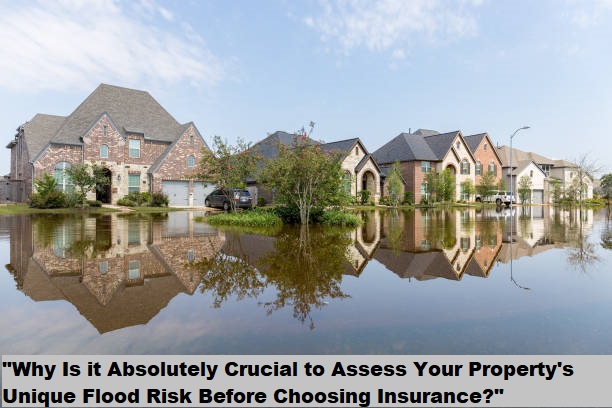
  • “Why Is it Absolutely Crucial to Assess Your Property’s Unique Flood Risk Before Choosing Insurance?”

    “Why Is it Absolutely Crucial to Assess Your Property’s Unique Flood Risk Before Choosing Insurance?”

    "Why Is it Absolutely Crucial to Assess Your Property's Unique Flood Risk Before Choosing Insurance?"

    introduction:

    In this article, we delve into the critical imperative of meticulously evaluating your property’s distinctive flood risk before making any decisions regarding insurance coverage. Every property is unique, and understanding the specific flood vulnerabilities it faces is paramount for homeowners seeking effective and tailored insurance protection against potential water-related perils.

    • 1. Property-Specific Topographical Analysis for Flood Vulnerabilities
    • 2. Identification of Local Drainage Systems and Water Flow Dynamics
    • 3. Assessment of Historical Flood Incidents in the Property’s Vicinity
    • 4. Consideration of Climate and Weather Patterns Impacting the Property
    • 5. Evaluation of Structural Features Affecting Flood Resilience
    • 6. Collaboration with Insurance Experts for Personalized Risk Assessment

    Property-Specific Topographical Analysis for Flood Vulnerabilities:

    Conducting a property-specific topographical analysis is the foundational step in comprehending flood vulnerabilities. The elevation, slope, and land contours directly impact how floodwaters may interact with the property. Low-lying areas or proximity to water bodies increase vulnerability, necessitating a thorough examination to inform insurance decisions accurately.

    Identification of Local Drainage Systems and Water Flow Dynamics:

    Understanding local drainage systems and water flow dynamics is crucial for anticipating how rain or flooding may affect a property. Examining the efficiency of drainage infrastructure helps homeowners gauge the potential for water accumulation and flooding. This insight is pivotal in selecting insurance coverage that aligns with the property’s susceptibility to drainage-related issues.

    Assessment of Historical Flood Incidents in the Property’s Vicinity:

    Analyzing historical flood incidents in the property’s vicinity provides essential context for potential risks. Patterns of past flooding help predict future vulnerabilities, allowing homeowners to make informed decisions about the level of insurance coverage required. Historical data offers valuable insights into the frequency, severity, and impact of floods, guiding homeowners toward proactive risk mitigation.

    Consideration of Climate and Weather Patterns Impacting the Property:

    Considering the climate and weather patterns specific to the property’s location is crucial. Areas prone to heavy rainfall, hurricanes, or snowmelt require tailored insurance coverage. Understanding the climatic factors influencing flood risks enables homeowners to anticipate potential threats and choose insurance that addresses the unique weather-related challenges faced by their property.

    Evaluation of Structural Features Affecting Flood Resilience:

    The structural features of a property play a pivotal role in determining its resilience against flooding. Assessing factors such as building materials, foundation type, and elevation helps homeowners understand how well the property can withstand floodwaters. This evaluation informs insurance decisions, ensuring that coverage aligns with the property’s structural characteristics and potential vulnerabilities.

    Collaboration with Insurance Experts for Personalized Risk Assessment:

    Collaborating with insurance experts provides homeowners with personalized risk assessments tailored to their property. Insurance professionals can offer valuable insights into the specific flood risks a property may face and recommend coverage that aligns with its unique characteristics. This collaborative approach ensures that homeowners make well-informed decisions, addressing their property’s individual needs and vulnerabilities.

    Conclusion:

    In conclusion, assessing a property’s unique flood risk before choosing insurance is an indispensable process for homeowners. From property-specific topographical analysis to evaluating structural features, each step contributes to a comprehensive understanding of potential vulnerabilities. Identification of local drainage systems, consideration of historical flood incidents, and collaboration with insurance experts further enhance the accuracy of risk assessments. Climate and weather patterns impacting the property provide a forward-looking perspective, guiding homeowners towards adaptive insurance solutions. I hope this exploration empowers homeowners to approach flood insurance decisions with a heightened awareness of their property’s individual characteristics, fostering resilience against the unpredictable forces of nature.

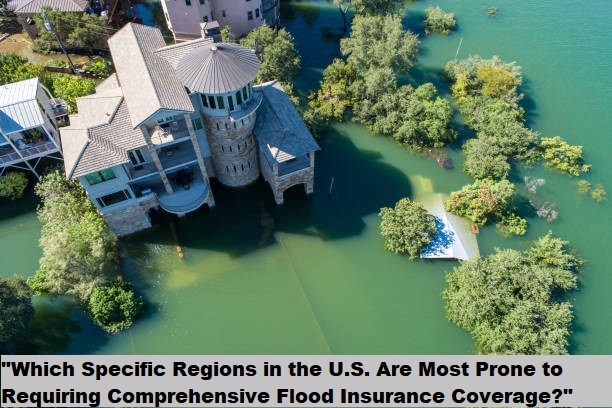
  • “Which Specific Regions in the U.S. Are Most Prone to Requiring Comprehensive Flood Insurance Coverage?”

    “Which Specific Regions in the U.S. Are Most Prone to Requiring Comprehensive Flood Insurance Coverage?”

    "Which Specific Regions in the U.S. Are Most Prone to Requiring Comprehensive Flood Insurance Coverage?"

    introduction:

    In this article, we embark on an exploration of flood-prone regions in the U.S., pinpointing areas where comprehensive flood insurance coverage becomes a crucial safeguard. As climate patterns shift and vulnerabilities evolve, understanding the specific regions most susceptible to flooding is imperative for homeowners and communities alike.

    • 1. Identifying High-Risk Coastal Zones
    • 2. Analyzing Riverine Flood Vulnerability in Inland Areas
    • 3. Assessing Flood Plains and Low-Lying Topography
    • 4. Examining Urban Areas Prone to Flash Flooding
    • 5. Evaluating Historical Data for Recurring Flood Incidents
    • 6. Understanding Climate Change Impacts on Emerging High-Risk Regions

    Identifying High-Risk Coastal Zones:

    Coastal zones stand out as high-risk areas for flooding due to the intersection of rising sea levels and extreme weather events. Identifying these regions is crucial for comprehensive flood insurance coverage, as coastal communities face the dual threat of storm surges and tidal inundation. Understanding the unique challenges posed by coastal flooding enables tailored risk assessments and insurance solutions, ensuring residents are adequately protected against the specific perils associated with these areas.

    Analyzing Riverine Flood Vulnerability in Inland Areas:

    Inland areas, traversed by rivers and waterways, present a distinct set of challenges in terms of riverine flooding. Analyzing the vulnerability of these regions involves assessing factors such as topography, precipitation patterns, and upstream water management practices. Comprehensive flood insurance coverage for inland areas takes into account the potential for riverine flooding, addressing the specific risks associated with watercourses that can overflow during heavy rainfall or snowmelt events.

    Assessing Flood Plains and Low-Lying Topography:

    Flood plains and low-lying topography amplify flood risks, requiring a focused approach to comprehensive insurance coverage. Areas situated on flood plains, characterized by their susceptibility to periodic flooding, necessitate detailed risk assessments. Understanding the topographical features of low-lying regions is vital for evaluating the potential extent and impact of floods. Tailored insurance solutions for such areas consider the heightened risk factors associated with their specific geographic characteristics.

    Examining Urban Areas Prone to Flash Flooding:

    Urban areas, with their impervious surfaces and complex drainage systems, are susceptible to flash flooding during intense rainfall or rapid snowmelt. Examining the vulnerability of these regions involves assessing factors such as drainage capacity, land use planning, and stormwater management. Comprehensive flood insurance coverage for urban areas addresses the unique challenges posed by flash flooding, providing financial protection against the rapid onset of water-related emergencies in densely populated environments.

    Evaluating Historical Data for Recurring Flood Incidents:

    Evaluating historical flood data is essential for identifying regions with a recurrent history of flooding. Areas experiencing repeated flood incidents require a nuanced understanding of the contributing factors. Comprehensive flood insurance coverage considers the lessons learned from past events, ensuring that insurance policies are tailored to the specific risks and challenges posed by historical flooding patterns in these regions.

    Understanding Climate Change Impacts on Emerging High-Risk Regions:

    As climate change accelerates, certain regions face emerging flood risks that demand proactive attention. Understanding the impact of climate change on flood vulnerability involves assessing factors such as rising temperatures, changing precipitation patterns, and sea level rise. Comprehensive flood insurance coverage for emerging high-risk regions considers the evolving nature of climate-related risks, providing adaptive solutions to address the dynamic challenges posed by a changing climate.

    Conclusion:

    In conclusion, identifying specific regions in the U.S. most prone to requiring comprehensive flood insurance coverage involves a multifaceted approach. From high-risk coastal zones to inland areas vulnerable to riverine flooding, each region presents unique challenges that demand tailored insurance solutions. Assessing flood plains, low-lying topography, urban areas susceptible to flash flooding, and evaluating historical data contribute to a comprehensive understanding of flood risks. Moreover, acknowledging the impact of climate change on emerging high-risk regions ensures that insurance coverage evolves to meet the evolving challenges of a changing environment. I hope this exploration empowers individuals and communities to make informed decisions, fostering resilience against the increasing threats posed by floods in specific U.S. regions.

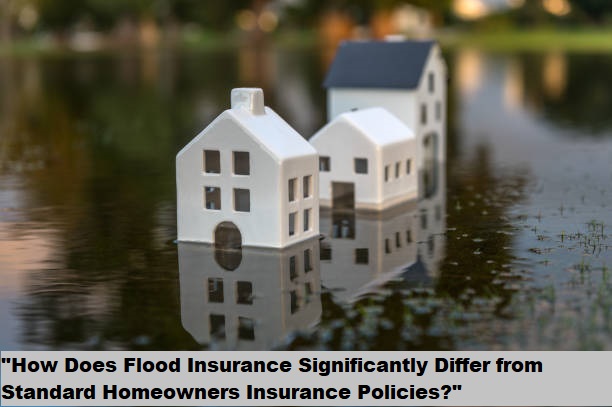
  • “How Does Flood Insurance Significantly Differ from Standard Homeowners Insurance Policies?”

    “How Does Flood Insurance Significantly Differ from Standard Homeowners Insurance Policies?”

    "How Does Flood Insurance Significantly Differ from Standard Homeowners Insurance Policies?"

    introduction:

    In this article, we unravel the nuances of flood insurance, exploring the distinctive characteristics that set it apart from conventional homeowners insurance policies. As homeowners navigate the complexities of protecting their investments, understanding how flood insurance significantly diverges from standard coverage becomes essential.

    • 1. Coverage Extent and Limitations
    • 2. Perils Covered and Excluded in Policies
    • 3. Government Involvement and National Flood Insurance Program (NFIP)
    • 4. Premium Determinants and Cost Variances
    • 5. Property Eligibility Criteria and Geographic Considerations
    • 6. Claims Process and Post-Flood Recovery Assistance

    Coverage Extent and Limitations:

    Flood insurance and homeowners insurance vary significantly in their coverage extent and limitations. While homeowners insurance typically covers damages caused by various perils such as fire, theft, and windstorms, it often excludes flooding. Flood insurance, on the other hand, is specifically designed to cover losses resulting from flooding events, offering a more targeted solution for homeowners in flood-prone areas. It extends coverage to structural elements, personal belongings, and additional living expenses incurred during flood-related displacement.

    Perils Covered and Excluded in Policies:

    The distinction in perils covered and excluded is crucial when comparing flood and homeowners insurance. Homeowners insurance commonly covers a broad range of perils, except for those explicitly excluded. Flood insurance, however, focuses solely on flood-related perils, excluding coverage for most other hazards. This differentiation ensures that policyholders have clarity on the specific risks addressed by each type of insurance, allowing for tailored protection based on individual needs and geographical considerations.

    Government Involvement and National Flood Insurance Program (NFIP):

    Government involvement plays a pivotal role in flood insurance through programs like the National Flood Insurance Program (NFIP). Unlike homeowners insurance, which is often provided by private insurers, flood insurance can be obtained through the NFIP, a government-backed initiative aimed at increasing flood coverage availability. This involvement influences policy terms, pricing, and regulations, creating a distinct landscape for flood insurance compared to the more market-driven nature of homeowners insurance.

    Premium Determinants and Cost Variances:

    The determinants of premiums and cost structures significantly differ between flood and homeowners insurance. Flood insurance premiums are influenced by factors such as the property’s elevation, flood zone designation, and proximity to water bodies. In contrast, homeowners insurance considers a broader set of risks, including the property’s construction materials, location, and security features. Understanding these premium determinants is vital for homeowners to make informed decisions regarding the cost and coverage associated with each type of insurance.

    Property Eligibility Criteria and Geographic Considerations:

    Property eligibility criteria and geographic considerations are paramount distinctions between flood and homeowners insurance. Not all properties are eligible for flood insurance, with certain high-risk areas mandated to have coverage. Geographic considerations, such as flood zone designations and proximity to water bodies, play a crucial role in determining eligibility and coverage levels. Homeowners must navigate these criteria to secure appropriate insurance based on their property’s location and associated flood risks.

    Claims Process and Post-Flood Recovery Assistance:

    The claims process and post-flood recovery assistance differ markedly between flood and homeowners insurance. Flood insurance claims are specifically designed to address flood-related damages, with a focus on structural repairs and replacement of damaged belongings. Post-flood recovery assistance, often provided through the NFIP, offers additional support to affected homeowners. In contrast, homeowners insurance claims encompass a broader range of perils, necessitating a more comprehensive approach to the claims process and recovery assistance.

    Conclusion:

    In conclusion, the distinctions between flood insurance and standard homeowners insurance are pivotal for homeowners seeking comprehensive protection. Understanding the coverage extent, perils addressed, government involvement, premium determinants, eligibility criteria, and claims processes allows individuals to make informed choices aligning with their unique needs and geographical considerations. As the dynamics of climate change continue to influence risk landscapes, the importance of tailored insurance solutions becomes increasingly evident. I hope this exploration empowers homeowners to navigate the complexities of insurance options, securing their homes and belongings with confidence.

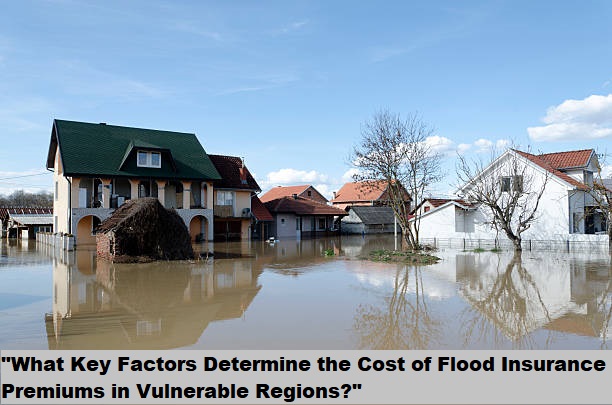
  • “What Key Factors Determine the Cost of Flood Insurance Premiums in Vulnerable Regions?”

    “What Key Factors Determine the Cost of Flood Insurance Premiums in Vulnerable Regions?”

    "What Key Factors Determine the Cost of Flood Insurance Premiums in Vulnerable Regions?"

    introduction:

    In this article, we delve into the intricate realm of flood insurance, exploring the pivotal question: What key factors wield influence over the cost of insurance premiums in regions susceptible to flooding? Understanding these determinants is essential for homeowners navigating the complex terrain of risk mitigation and financial planning.

    • 1. Geographical Vulnerability Analysis
    • 2. Impact of Climate and Weather Patterns
    • 3. Structural Integrity of Local Infrastructure
    • 4. Historical Flood Incidence and Severity
    • 5. Community Flood Protection Measures
    • 6. Policy Customization for Individual Property Characteristics

    Geographical Vulnerability Analysis:

    Understanding the geographical vulnerability of an area is paramount in determining flood insurance costs. Regions prone to flooding due to proximity to rivers, coastlines, or low-lying terrain are at higher risk. The topography plays a pivotal role, as flat areas may experience more extensive flooding. Additionally, advancements in mapping technology enable insurers to assess individual property risks more accurately, considering factors like elevation and distance from water bodies.

    Impact of Climate and Weather Patterns:

    Climate and weather patterns directly influence flood occurrences. Areas with intense rainfall, hurricanes, or snowmelt face heightened risks. Insurers evaluate the frequency and intensity of extreme weather events, assessing how they may exacerbate flooding. A comprehensive understanding of climate data aids in predicting potential risks and setting insurance premiums accordingly.

    Structural Integrity of Local Infrastructure:

    The resilience of local infrastructure significantly impacts flood insurance costs. Robust flood defenses, such as levees and dams, can mitigate risks and reduce premiums. Insurers consider the effectiveness of these structures in protecting communities from potential flood damage, reflecting in the overall cost of insurance.

    Historical Flood Incidence and Severity:

    Analyzing historical flood data provides insights into the frequency and severity of past incidents. Regions with a documented history of recurring floods or severe events are deemed higher risk, influencing insurance pricing. A thorough examination of historical data allows insurers to gauge the potential financial impact of future flood claims.

    Community Flood Protection Measures:

    Communities implementing proactive flood protection measures can positively impact insurance costs. Investments in flood defenses, early warning systems, and community resilience initiatives demonstrate a commitment to risk reduction. Insurers may offer lower premiums to areas actively engaged in safeguarding against flood risks.

    Policy Customization for Individual Property Characteristics:

    Tailoring flood insurance policies to individual property characteristics ensures a personalized approach. Insurers consider factors like building elevation, construction materials, and property-specific flood mitigation efforts. Homeowners can collaborate with insurers to customize policies based on the unique features and risk-mitigating measures of their properties.

    Conclusion:

    I hope this exploration has shed light on the multifaceted factors influencing the cost of flood insurance premiums in vulnerable regions. Geographical vulnerability, climate impacts, local infrastructure, historical data, community initiatives, and personalized policy considerations collectively shape the insurance landscape. Recognizing and addressing these factors not only empowers homeowners with informed decision-making but also contributes to resilient communities. As our understanding of risk evolves, collaboration between insurers, communities, and individuals becomes increasingly crucial in navigating the challenges posed by floods and securing a more resilient future.